 India's No.1 PU & Degree With Integrated IAS & IPS(UPSC/PSC) Training College.


Denmark Uses Copyright Law to Combat Deepfakes
Denmark Uses Copyright Law to Tackle Deep Fakes
Why in the News?
Denmark has introduced a copyright law amendment to combat ai deepfakes, making it illegal to publicly share digital imitations of a person’s appearance or voice without consent. This pioneering move aims to safeguard fundamental rights and prevent digital identity theft, addressing concerns about the misuse of deepfake images and other forms of ai-generated content.
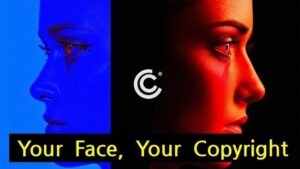
Key Provisions of the Danish Deepfake Bill:
- The proposed amendment to Denmark’s copyright legislation makes it illegal to share realistic deepfake content—replicating someone’s facial features, voice, or mannerisms—without their explicit consent. This groundbreaking amendment addresses the challenges posed by generative ai in creating convincing fake digital representations.
- Consent is revocable, and the burden of proof lies on the person sharing the content, emphasizing the importance of personal autonomy in the digital age.
- The protections apply for up to 50 years after a person’s death, covering both celebrities and ordinary citizens, recognizing their right to control their digital likeness.
- Social media platforms and other tech platforms will be mandated to take down such content and face severe fines for non-compliance, holding technology companies accountable for the spread of misleading deepfakes.
- Satire or parody may be exempted on a case-by-case basis, respecting freedom of expression under the European Convention on Human Rights. This provision aims to balance the need for regulation with the protection of artistic expression and social criticism.
Implications and Global Relevance
- This law is territorial to Denmark, so enforcement challenges remain if offenders operate abroad. However, it sets a precedent for other European counterparts and could influence global ai regulations.
- Experts like Francesco Cavalli (Sensity AI) argue that regulation without enforcement is symbolic, not protective. The effectiveness of the law will depend on the development and implementation of robust deepfake detection tools.
- Nonetheless, Denmark’s approach is seen as a global template, especially for nations lacking dedicated digital impersonation laws. The Danish government’s initiative could inspire similar legislative proposals across the European Union.
- By recognising the right to one’s own voice and appearance as copyrightable property, Denmark takes a people-first approach over tech-centered regulation, addressing concerns about personal characteristics being exploited without consent.
- As deepfake technology evolves, legal frameworks like this could help balance innovation, privacy, and freedom of expression. The law sends an unequivocal message about the importance of protecting individuals in the synthetic age.
What are Deepfakes? |
| Deepfakes are AI-generated synthetic media (video, audio, or images) that convincingly mimic real people, often used to mislead, defame, or manipulate. These ultrarealistic images and manipulated videos are becoming increasingly harder to spot, posing significant challenges in the digital era. |
| Legal Tools So Far: |
| – Most global laws target specific harms like nonconsensual pornography, election misinformation, or celebrity misuse. |
| – In India, courts have used privacy, defamation, and publicity rights, such as in Amitabh Bachchan (2022) and Annu Kapoor (2023) rulings. |
| Danish Bill’s Innovation: |
| Unlike harm-specific laws, it is content-focused, banning realistic public deepfakes regardless of intent or impact. This landmark law represents a significant step in the global crack down on the nefarious uses of AI-generated content. |

