 India's No.1 PU & Degree With Integrated IAS & IPS(UPSC/PSC) Training College.


France-Brazil Blue NDC Challenge: Global Ocean Action
France–Brazil Blue NDC Challenge: A Global Ocean Action Movement Ahead of COP30
At the inaugural session of the Third United Nations Ocean Conference (UNOC3) held in 2025, France and Brazil jointly launched the Blue Nationally Determined Contributions (NDC) Challenge. This initiative calls on all countries to place the ocean at the center of their climate strategies, especially as they prepare revised climate plans for COP30, set to be hosted by Brazil in November 2025. The challenge emphasizes the importance of blue carbon ecosystems and coastal ecosystems in climate action and biodiversity conservation, promoting ocean-based solutions as a key component of global climate efforts.
This move marks a strategic turning point in climate governance. For the first time, the ocean is being directly positioned not only as a climate victim but also as a powerful climate ally. The initiative bridges ocean conservation and climate policy, aligning with key frameworks including the Paris Agreement, the Convention on Biological Diversity (CBD), and the newly adopted High Seas Treaty. It also promotes the integration of Nature-based Solutions (NbS) in national climate strategies, particularly focusing on blue carbon ecosystems like mangroves, seagrasses, and salt marshes.
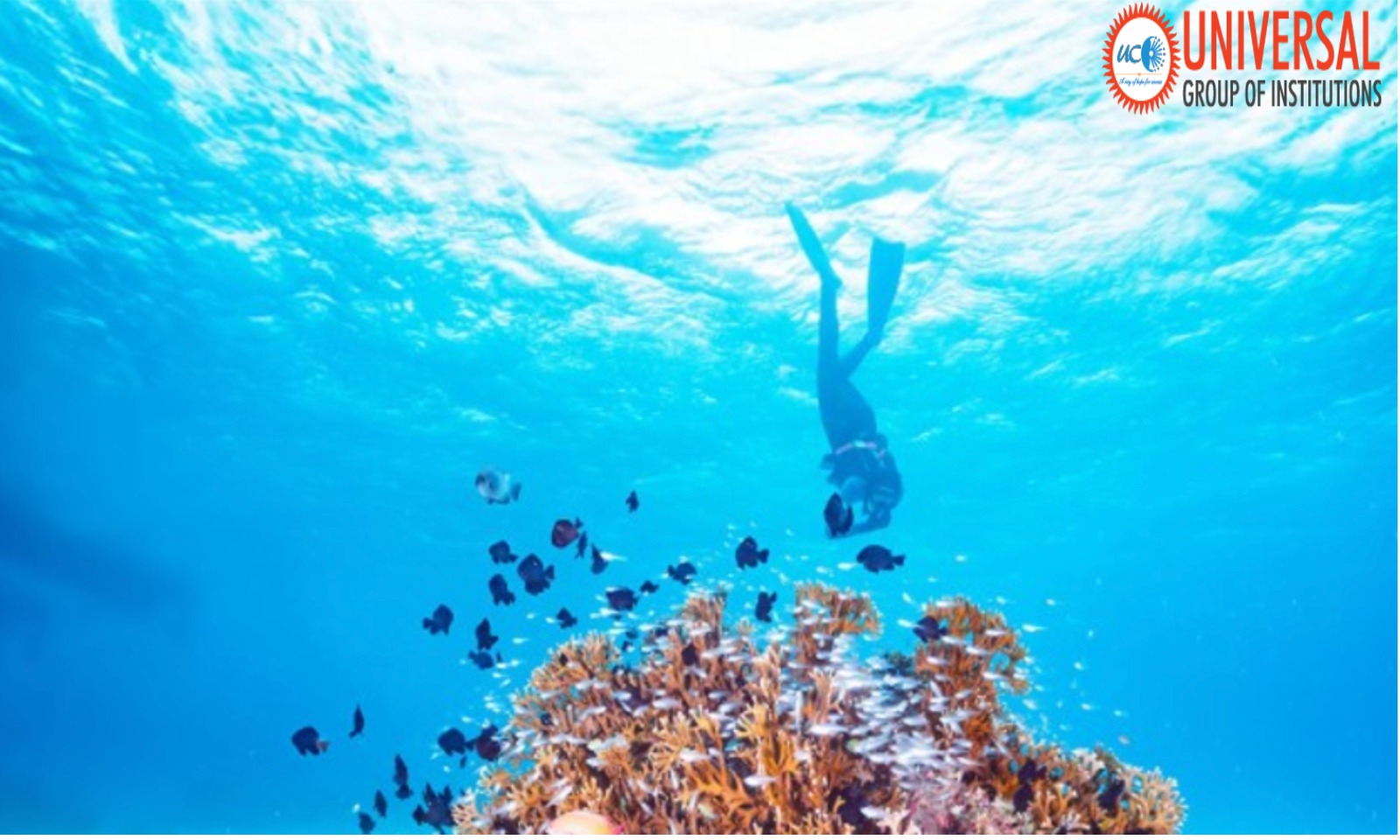
What is the Blue NDC Challenge?
The Blue NDC Challenge is an open call to nations worldwide to:
- Integrate ocean-based climate solutions into their Nationally Determined Contributions (NDCs) under the United Nations Framework Convention on Climate Change (UNFCCC)
- Prioritize blue carbon ecosystems like mangroves, seagrasses, and salt marshes for climate mitigation and carbon sequestration
- Leverage coastal resilience strategies for long-term climate adaptation and disaster preparedness
These updated Nationally Determined Contributions will be submitted to the UNFCCC as part of the 2025 climate cycle, making this a landmark moment for ocean inclusion in national and global climate planning. The challenge encourages countries to adopt integrated coastal management approaches and sustainable aquaculture practices as part of their climate-smart strategies, recognizing the role of coastal ecosystems in both climate mitigation and adaptation.
Initial Member Countries
Besides France and Brazil, eight early adopter countries have already joined:
- Australia
- Fiji
- Kenya
- Mexico
- Palau
- Seychelles
These countries are integrating marine biodiversity protection and coastal ecosystem resilience into their upcoming climate submissions under the Paris Agreement and UNFCCC, serving as a model for others to follow. They are also exploring marine renewable energy options and implementing blue economy initiatives as part of their commitment to the challenge, showcasing the potential of ocean-based solutions in climate action.
Institutional Support and Headquarters
The initiative is backed by leading environmental think tanks and NGOs under the Ocean Resilience and Climate Alliance (ORCA):
- Ocean Conservancy 🏢 Headquarters: Washington, D.C., USA Focus: Marine pollution reduction, ocean acidification mitigation, climate-smart coastal strategies
- Ocean and Climate Platform 🏢 Headquarters: Paris, France Focus: Bridging science and policy for ocean-climate linkages, promoting blue carbon initiatives
- World Resources Institute (WRI) 🏢 Headquarters: Washington, D.C., USA Focus: Global research on climate change, ocean policy frameworks, forest and water conservation
The challenge is also endorsed by WWF-Brazil, signaling strong regional and global civil society backing for Nature-based Solutions and blue carbon initiatives, particularly in mangrove conservation and restoration.
Why Oceans Matter in Climate Action
- Oceans absorb over 25% of CO₂ emissions and 90% of excess heat generated by human activity, playing a crucial role in climate regulation.
- Blue carbon habitats, including mangroves and seagrasses, sequester carbon 10 times more efficiently than tropical forests, making them vital for climate mitigation.
- Healthy coastal ecosystems provide food, jobs, and coastal protection for over 3 billion people worldwide, highlighting the importance of marine ecosystem services and biodiversity conservation.
Yet, despite their significance, oceans have remained underrepresented in climate policies—something the Blue NDC Challenge seeks to rectify by promoting ocean-based solutions, sustainable aquaculture practices, and the protection of blue carbon ecosystems.
Links to Global Environmental Agreements
- UNFCCC & Paris Agreement Blue NDCs help nations meet the 1.5°C goal through ecosystem-based adaptation and climate mitigation strategies, leveraging blue carbon ecosystems and ocean-based solutions.
- Global Biodiversity Framework (GBF) and Convention on Biological Diversity (CBD) Supports the goal of conserving 30% of oceans by 2030, enhancing Marine Protected Areas (MPAs) and biodiversity conservation in coastal ecosystems, including mangroves.
- High Seas Treaty (BBNJ) Assists in implementing protection in areas beyond national jurisdiction, through NDC-aligned funding and science-based planning, including marine spatial planning for blue carbon ecosystems.
- Climate Finance Mechanisms Blue-integrated Nationally Determined Contributions make countries eligible for funds from the Green Climate Fund (GCF), GEF, and Adaptation Fund to support blue carbon projects and coral reef restoration efforts, as recognized by the UNFCCC.
Public Participation and Social Equity
The initiative is committed to inclusive and equitable ocean action, especially for:
- Coastal communities, Indigenous peoples, and island populations
- Women and youth in the growing blue economy
- Grassroots participation in marine conservation and early warning system design
This approach ensures that integrated coastal zone management and sea level rise adaptation strategies benefit all stakeholders, promoting coastal resilience and climate adaptation. It also emphasizes the importance of sustainable fisheries and aquaculture in supporting local livelihoods and food security.
Brazil, COP30, and Amazon–Ocean Synergy
As host of COP30 in Belém, Brazil, the country is uniquely placed to connect two of Earth’s critical ecosystems—the Amazon rainforest and the Atlantic Ocean. This convergence allows Brazil to lead a truly integrated, land-sea climate strategy, emphasizing the role of mangroves and other coastal ecosystems in climate action and biodiversity conservation.
The Blue NDC Challenge thus aligns with Brazil’s broader diplomatic vision of becoming a climate leadership hub for both tropical forests and marine ecosystems, promoting Nature-based Solutions and blue carbon initiatives. This approach strengthens Brazil’s commitment to the Paris Agreement and the UNFCCC process, showcasing the potential of ocean-based solutions in national climate strategies.
Conclusion: Ocean-Centered Climate Governance
The France–Brazil Blue NDC Challenge is more than a policy proposal—it is a call for a new era of climate diplomacy where oceans are no longer marginal, but central to our survival. It represents a significant step towards implementing the Ocean Breakthroughs needed for effective climate action, emphasizing the role of blue carbon ecosystems, mangroves, and ocean-based solutions in the fight against climate change.
For competitive exam aspirants, this initiative illustrates:
- The growing synergy between climate and ocean governance under the UNFCCC framework
- Practical implications of international treaties like UNFCCC, CBD, and UNCLOS
- The global move toward Nature-based Solutions and inclusive climate strategies
There is no climate solution without the ocean—and the world is finally listening, recognizing the crucial role of blue carbon ecosystems, mangroves, and other coastal ecosystems in our fight against climate change. The Blue NDC Challenge sets a new standard for integrating ocean health into Nationally Determined Contributions under the Paris Agreement and UNFCCC framework, paving the way for more effective and comprehensive climate action that harnesses the power of our oceans.




