 India's No.1 PU & Degree With Integrated IAS & IPS(UPSC/PSC) Training College.


Combating Child Trafficking in Bihar’s Orchestra Groups
Breaking the Silence: Combating Child Trafficking in Bihar’s Orchestra Networks
Syllabus:
GS 2 ● Child trafficking in India ● Social development
Why in the News?
Bihar has emerged as a hotspot for child trafficking, particularly in orchestra troupes that exploit underage girls. Despite robust legal frameworks, systemic collapse, poor enforcement, social stigma, and geographic vulnerabilities perpetuate the cycle of abuse. This article explores the legal, administrative, and preventive dimensions of trafficking and advocates for a multi-layered strategy rooted in policy, prosecution, and prevention, including integrated child protection measures.
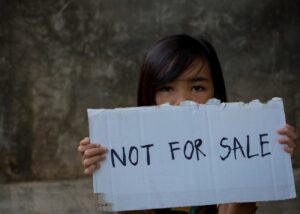
A Grim Tale of Exploitation
- A 14-year-old girl from Chhattisgarh, promised training and income as a dancer, ended up trafficked into Bihar’s orchestra network.
- Subjected to control, rape, and violence, she represents hundreds of girls enduring similar abuse.
- These girls are punished if they refuse and raped if they resist. Such exploitation is systematic, not incidental.
The Systematic Nature of Trafficking in Orchestras
- Orchestras in Bihar are a veil for child trafficking, especially for commercial sexual exploitation under the guise of performance.
- Girls are lured with false promises of money, training, or even marriage.
- Saran, Gopalganj, Muzaffarpur, Rohtas, and West Champaran are major trafficking hubs.
- Victims as young as 12 years old are sold for sums as low as ₹10,000.
Harsh Realities Behind the Stage
- Trafficked girls are made to wear inappropriate clothes, perform to vulgar songs, and entertain inebriated male audiences.
- They live in cramped, unhygienic, and prison-like rooms.
- Although they appear as performers, in truth they are sexually abused minors.
- Rescue operations frequently reveal these appalling living conditions.
The Legal Arsenal: Laws that Exist but Fail in Practice
Relevant Legal Provisions
- Immoral Traffic (Prevention) Act
- Juvenile Justice Act
- Protection of Children from Sexual Offences (POCSO) Act
- Bonded Labour System (Abolition) Act
- Child and Adolescent Labour (Prohibition and Regulation) Act
- Bharatiya Nyaya Sanhita provisions on child labour and sexual crimes
Problems in Enforcement
- Most cases are misfiled under kidnapping or missing person reports.
- Anti human trafficking units (AHTUs) are underfunded and understaffed.
- Prosecution is not time-bound, leading to delays and acquittals.
- Jurisdictional confusion across States further weakens investigations.
- Lack of standard operating procedures hampers effective anti-trafficking efforts.
Scale of the Crisis: Disturbing Statistics
- According to NCRB 2022, 2,878 children were trafficked — 1,059 were girls.
- In Bihar, between January and June 2025: ○ 271 girls were rescued, including 53 from orchestras. ○ 162 girls were rescued from Saran district alone. ○ Just Rights for Children (JRC) rescued 116 girls during March–June.
- Many cases go unreported due to fear or family complicity.
Orchestras as Trafficking Hubs: Why Bihar?
Structural and Geographic Factors
- Porous Nepal border facilitates easy cross-border trafficking.
- Proximity to trafficking-prone States: West Bengal, Jharkhand, Odisha, Chhattisgarh, Assam, Uttar Pradesh.
- Railway connectivity enables seamless movement of trafficked children.
Social Complicity and Normalisation
- In many areas, there’s social acceptance of young girls being part of orchestras.
- Cultural practices involving dance and music are exploited to justify their presence.
- Parents, in some cases, sell their daughters under pressure or ignorance.
Role of NGOs and Legal Intervention
- Just Rights for Children (JRC) and its 250+ NGO network work to end child exploitation.
- Filed a petition in Patna High Court for:
- Immediate ban on child employment in orchestras.
- Prohibition orders against ongoing exploitation.
- C-Lab’s report (2024) underscores how prosecution acts as a deterrent and a tool for systemic change.
- NGOs like Naya Savera are actively involved in anti human trafficking efforts and rehabilitation.
Prosecution as Prevention: The Missing Link
- Prosecution ensures justice and deters future crimes.
- C-Lab study: Based on data from 24 States.
- 53,651 children rescued; legal action initiated in all cases.
- Found that legal prosecution is key to systemic change.
- But in Bihar, conviction rates remain abysmally low.
A Strategy for Prevention: The PIC Framework
Policy
- Strong, unambiguous policies that prohibit all forms of child exploitation.
- States must notify zero-tolerance orders on child labour in entertainment.
Institutions
- Mandatory roles for Labour Department, Police, Education, Women and Child Welfare in monitoring and reporting.
- AHTUs need full-time trained officers, funding, and authority to act across States.
- Child welfare committees must be strengthened to handle trafficking cases effectively.
Convergence
- Integration of digital infrastructure, law enforcement, and rehabilitation services.
- Multi-agency coordination is crucial for both rescue and long-term recovery.
- Implement integrated child protection systems across departments.
Knowledge
- Awareness campaigns to educate parents, communities, and transport officials.
- Survivor insights must inform intervention strategies.
- Capacity building initiatives for law enforcement and child protection agencies.
Economics
- Make trafficking financially unviable by attaching assets of perpetrators.
- Penalize those who harbour or profit from trafficked minors — including landlords and transporters.
Technology
- Use AI and data tools to generate heat maps, identify vulnerable clusters, and predict movements.
- Develop inter-State databases on traffickers and rescued children.
Strengthening the Chain of Protection
Prevent Trafficking at Source
- Schools must flag long absences and notify authorities.
- Panchayats should maintain migratory child registers.
- Any disappearance should trigger an immediate alert system.
- Community members must be legally obligated to report suspicious cases.
- Establish community vigilance committees to monitor and report trafficking activities.
Regulate Transport Routes
- Railway Protection Force (RPF) and transport departments should be trained to identify trafficking signs.
- Extend monitoring to private carriers, inter-State buses, and local terminals.
Rehabilitation and Reintegration
- Rehabilitated girls must not be returned to the same families or areas.
- State-supervised long-term care homes and vocational training must be provided.
- Victim compensation schemes should be enforced and expedited.
- Develop comprehensive rehabilitation frameworks for trafficking survivors.
- Ensure proper functioning of child care institutions for rescued victims.
Holding Perpetrators Accountable
- Absolute ban on minors in orchestras.
- Identify, map, and regulate all dance troupes and related premises.
- Seal buildings used for illegal confinement.
- Prosecute landlords, organisers, and owners involved.
- Attach assets of anyone profiting from trafficking.
Judicial Recognition and Action
- Patna High Court acknowledged the seriousness of child trafficking in orchestras.
- Directed the Bihar government to act immediately.
- Such legal acknowledgments must now translate into enforceable protection mechanisms.
The Way Forward: From Laws to Action
- India does not lack laws, it lacks consistent implementation.
- What is required is: Political will, Administrative coordination, and Judicial urgency.
- Every rescue must be followed by: Legal action, Conviction, Compensation, and Systemic reform.
Conclusion: Justice Before Harm
- Justice is not merely punishment after harm; it is prevention before harm.
- Every time a child is trafficked, a system fails — the family, school, society, and the state.
- Ending child trafficking is possible with existing laws and systems.
- What’s missing is the urgent will to act. Every delay costs another childhood, another future.
MAINS PRACTICE QUESTION
“Despite a robust legal framework, child trafficking continues to thrive in India, especially in vulnerable regions like Bihar. Critically examine the systemic failures that enable this exploitation and suggest a comprehensive prevention-oriented strategy to address the issue.” (250 words)

