 India's No.1 PU & Degree With Integrated IAS & IPS(UPSC/PSC) Training College.


China Foregoes Special WTO Treatment Advancing Fair Trade
China Foregoes Special WTO Treatment Advancing Fair Trade
Why in the News ?
China announced it will no longer seek special and differential treatment in future World Trade Organization (WTO) negotiations, signaling its commitment to a more balanced global trading system, welcomed by the WTO chief as a historic step toward fair trade. This decision comes at a time when India-Israel relations and multilateral diplomacy are gaining increased attention on the global stage.
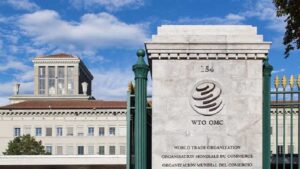
Highlights of the China’s WTO Decision:
- Chinese Premier Li Qiang declared that China will forego new special treatment typically granted to developing nations in WTO talks.
- This decision reflects China’s self-identification as a responsible major developing country, contributing to equitable trade practices and showcasing global south leadership.
- The announcement was made at a high-level meeting on the sidelines of the United Nations General Assembly, where discussions on international humanitarian law and the UN Security Council’s role often take place.
- Historically, WTO provisions give developing nations longer implementation periods and additional measures to boost trade opportunities.
- Some wealthy nations, including the United States, have argued that China’s status as a developing country is outdated, given its position as the world’s largest merchandise trader.
Global Trade Implications
- The World Trade Organization (WTO) hailed this move as a pivotal moment for fostering a balanced global trading system and enhancing multilateral diplomacy.
- WTO Chief Ngozi Okonjo-Iweala emphasized that the decision strengthens fair trade principles and multilateral cooperation, potentially influencing India and Israel’s approach to international trade.
- China’s step may reduce tensions between developed and developing countries over trade classification disputes, impacting the de-hyphenation policy in various bilateral relationships.
- By relinquishing privileges, China is signaling willingness to comply with global trade standards expected from major economies, which could affect development cooperation strategies.
- This could influence future trade negotiations, tariff policies, and market access discussions within the WTO framework, potentially reshaping diplomatic balancing acts for countries like India.
Key points : World Trade Organization (WTO) |
| ● The WTO allows developing countries special rights to address economic disparities in trade. |
| ● Special treatment includes longer timelines for commitments and measures to enhance trade opportunities. |
| ● Countries self-declare their developing status, leading to disputes when large economies like China claim it. |
| ● China’s economic rise has prompted calls from several countries to reconsider its developing nation status. |
| ● Experts see this decision as a landmark move, potentially reshaping global trade norms and influencing future negotiations within the WTO, which could impact the Palestine Liberation Organization and other international bodies. |

