 India's No.1 PU & Degree With Integrated IAS & IPS(UPSC/PSC) Training College.


Centre Plans New Scheme to Expand Electric Buses
Centre Plans New Scheme to Expand Electric Buses
Why in the News ?
The Union Government is considering a new electric bus scheme after allocating 14,000 e-buses under the PM E-DRIVE programme, aiming to further boost clean public transport, reduce emissions, and accelerate India’s transition toward sustainable urban mobility systems and a pollution free environment.
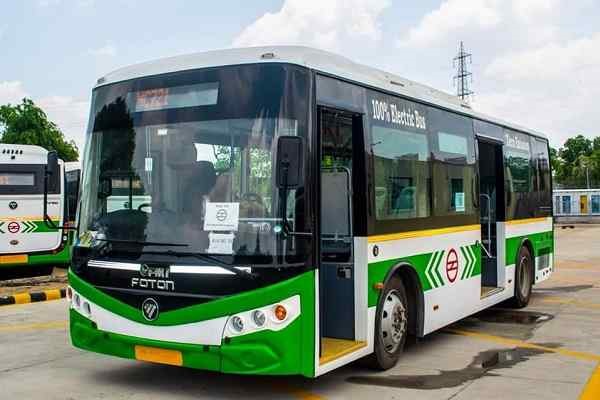
Expansion of Electric Bus Initiative:
- The Centre plans a new or extended scheme to procure additional electric buses (e-buses) for States.
- This follows successful tendering and allocation of 14,028 buses under the PM E-DRIVE scheme.
- The programme has a total outlay of ₹10,900 crore, with ₹4,391 crore earmarked for e-buses.
- Implementation handled by Convergence Energy Services Limited.
- States are expected to receive buses over the next 2–3 years.
- The Centre may consult States to assess demand before launching the next phase.
- Indicates a strong push towards electrification of public transport.
Implementation Challenges and Operational Issues
- Integrating a large fleet of e-buses poses logistical and operational challenges.
- Key issues include:
○ Depot infrastructure constraints (charging stations, maintenance facilities) requiring environmental clearances
○ Route planning and scheduling adjustments
- Need for skilled workforce and technical expertise in electric mobility.
- High upfront costs of infrastructure despite lower operating costs.
- Coordination required between Centre, States, and urban local bodies.
- Ensuring reliable battery performance and charging networks is critical.
- Highlights the importance of holistic urban transport planning.
About Electric Mobility & Policy :● PM E-DRIVE Scheme: Focuses on electric mobility expansion, especially public transport. ● FAME India Scheme (Phase II): Provides subsidies for electric vehicles and charging infrastructure. ● National Electric Mobility Mission Plan (NEMMP): Targets reducing fossil fuel dependency. ● Benefits of e-buses: ○ Reduced carbon emissions and air pollution ○ Lower operational and fuel costs ○ Improved urban air quality ● Challenges: ○ High initial investment ○ Limited charging infrastructure ○ Battery disposal and sustainability concerns ● Supports India’s commitments under climate agreements and net-zero goals. ● Promotes sustainable urbanisation and green transport systems. |

