 India's No.1 PU & Degree With Integrated IAS & IPS(UPSC/PSC) Training College.


Celebrating 150th Birth Anniversaries & Atal Bihari Vajpayee
Government Initiative of National Leaders
The Union Government has set up three high-level committees to commemorate year-long celebrations for:
- 150th Birth Anniversary of Sardar Vallabhbhai Patel (2025)
- 150th Birth Anniversary of Birsa Munda (2025)
- Birth Centenary of Atal Bihari Vajpayee (2024–25)
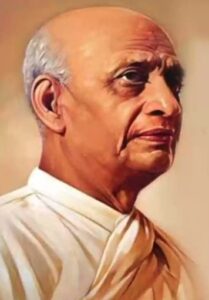
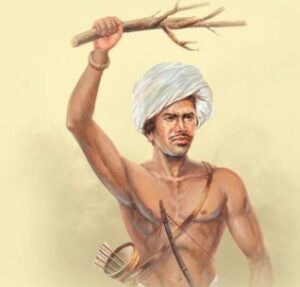
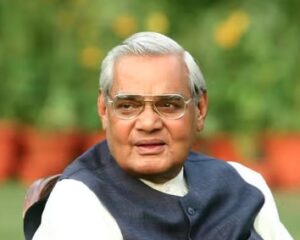
Chairperson: Prime Minister Narendra Modi will head all three committees.
Mandate of Committees: Approve plans, guide programmes, and supervise nationwide commemorative events. The Ministry of Culture will play a crucial role in organizing these coordinated national tributes.
Sardar Vallabhbhai Patel (31 Oct 1875 – 15 Dec 1950)
- Known as the Iron Man of India and a towering figure in Indian history, Sardar Patel played a pivotal role in India’s freedom struggle and integration of 565 princely states into the Indian Union.
- Served as India’s first Deputy Prime Minister and first Home Minister, laying the foundation for modern Indian governance.
- Legacy: Statue of Unity (world’s tallest statue, Gujarat), Rashtriya Ekta Diwas observed on 31st October.
- His 150th anniversary highlights his contribution to national integration and unity.
Birsa Munda (15 Nov 1875 – 9 Jun 1900)
- Revered as Bhagwan (God) by tribal communities and recognized as a tribal icon.
- Tribal freedom fighter and social reformer who led the fight against British colonial rule.
- Led the Ulgulan (Great Tumult/Revolution) against British exploitation and missionaries, embodying tribal resistance.
- Fought for tribal land rights and against the zamindari system.
- Birth anniversary on 15th November is observed as Janjatiya Gaurav Divas (since 2021).
- Symbol of tribal pride, resistance, and cultural identity.
Atal Bihari Vajpayee (25 Dec 1924 – 16 Aug 2018)
- Poet, orator, and statesman; first BJP Prime Minister, exemplifying contemporary leadership in the political arena.
- Served as PM three times (1996, 1998–99, 1999–2004), contributing to political stability.
Key contributions:
- Pokhran-II Nuclear Tests (1998) → Asserted India’s strategic autonomy.
- Golden Quadrilateral Project → Modernized India’s road infrastructure.
- Telecom Revolution → Liberalization of telecom sector.
- Economic reforms → Laid groundwork for India’s economic growth.
- 25th December is celebrated as Good Governance Day.
- Conferred Bharat Ratna (2015).
- Remembered for coalition politics management and moderate leadership style.
Exam Relevance
- Patel (Iron Man, Integration, 31st Oct) → Unity, national integration, civil services ethos.
- Birsa Munda (Tribal Icon, 15th Nov) → Tribal history, resistance, social justice.
- Vajpayee (Good Governance Day, 25th Dec) → Governance reforms, nuclear policy, infrastructure.
- All three → Important for UPSC GS1 (History), GS2 (Governance, Polity), GS3 (Security, Economy), Essay, State PSC & SSC exams.
- These commemorative events serve as a coordinated national tribute to these influential leaders, reinforcing their importance in India’s historical and contemporary narrative.




