India's No.1 PU & Degree With Integrated IAS & IPS(UPSC/PSC) Training College.


Guru Nanak Dev Ji: Teachings & Sikh Legacy
GURU NANAK DEV JI: TEACHINGS AND SIKHISM’S LEGACY
WHY IN THE NEWS ?
The nation is celebrating the 557th Parkash Purab of Guru Nanak Dev Ji, the founder of Sikhism. President Droupadi Murmu and Vice-President C. P. Radhakrishnan extended greetings, recalling his teachings of Ek Onkar, equality, compassion, honest living and selfless service.
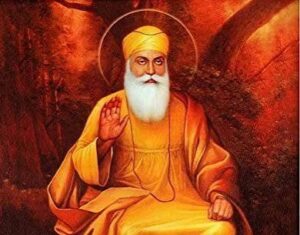
GURU NANAK DEV JI: LIFE AND CONTRIBUTIONS
- Birth: Guru Nanak Dev Ji was born in 1469 at Rai Bhoi Ki Talwandi, now known as Nankana Sahib in Pakistan.
- Family: He was born to Mehta Kalu Ji and Mata Tripta Ji on the full moon day of the month of Katak.
- Founder: He established Sikhism, emphasising devotion to one God and ethical conduct.
- Core Message: His principle of Ek Onkar highlights the existence and unity of one universal God.
- Social Reform: He opposed caste discrimination and social inequalities, promoting the dignity and equality of all human beings.
TEACHINGS AND PARKASH PURAB CELEBRATIONS
- Naam Japo: Remember and meditate on God’s name through devotion and spiritual discipline.
- Kirat Karo: Earn one’s livelihood through honest and sincere work.
- Vand Chhako: Share resources and food with others, particularly the needy.
- Celebrations: Devotees are visiting Gurdwaras, participating in Kirtan Darbars, Gurbani Vichar, prayers and community kitchens (Langar).
- Important Gurdwaras: Special celebrations are taking place at Gurdwara Ber Sahib, Sultanpur Lodhi, and Sri Harmandir Sahib, Amritsar. Sikh pilgrims have also visited Nankana Sahib in Pakistan.
ABOUT SIKHISM AND ITS FOUNDATIONAL PRINCIPLES:● Origin: Sikhism emerged in the Indian subcontinent in the late 15th century through the teachings of Guru Nanak Dev Ji. ● Ten Gurus: Sikhism recognises ten human Gurus, beginning with Guru Nanak Dev Ji. ● Guru Granth Sahib: It is the central religious scripture and the eternal Guru of Sikhism. ● Gurdwara: A Sikh place of worship where prayers, religious gatherings and community service take place. ● Langar: The community kitchen represents equality, sharing and selfless service, providing free meals to everyone irrespective of caste, religion or background. |