 India's No.1 PU & Degree With Integrated IAS & IPS(UPSC/PSC) Training College.


Early Diabetes Diagnosis: Timely Care Guide
EARLY DIAGNOSIS AND TIMELY CARE: ADDRESSING DIABETES
WHY IN THE NEWS ?
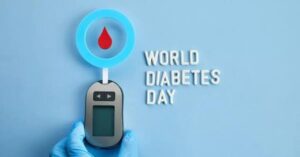
- World Diabetes Day is being observed on November 14 to promote awareness about early diagnosis, timely treatment and equitable access to quality healthcare.
- This year’s theme, “Early Action on Diabetes”, emphasises comprehensive healthcare, age-appropriate treatment and collective efforts to reduce the growing global burden of diabetes.
IMPORTANCE OF EARLY DIAGNOSIS AND DIABETES MANAGEMENT:
- Early Detection: Identifying diabetes at an early stage helps individuals receive timely medical intervention, appropriate treatment and continuous support to manage the disease.
- Warning Signs: Common symptoms include excessive thirst, frequent urination, persistent tiredness and blurred vision. Recognising these signs can prevent delays in diagnosis.
- Type 1 Diabetes: It often develops rapidly and cannot currently be prevented. However, appropriate treatment and continuous medical care can help patients manage the condition.
- Type 2 Diabetes: It generally develops gradually and may remain undiagnosed for years because symptoms can be mild or absent.
- Preventive Measures: The risk of Type 2 diabetes can be reduced through regular physical activity, a balanced diet and adoption of a healthy lifestyle.
- Continuous Care: People diagnosed with diabetes require timely medication, regular blood glucose monitoring and lifestyle modifications to prevent serious complications.
GLOBAL DIABETES BURDEN AND WHO’S INITIATIVES
- Growing Challenge: Diabetes has emerged as a major global public health concern, requiring coordinated action from governments, healthcare institutions and communities.
- Healthcare Access: Equitable access to quality healthcare is essential to ensure that people across different age groups receive appropriate diagnosis, treatment and long-term support.
- WHO Priority: The World Health Organization (WHO) has identified reducing the gap in diabetes diagnosis as an important global health priority.
- 2030 Target: WHO Member States have supported a target to ensure that at least 80% of people living with diabetes are diagnosed by 2030.
- Collective Action: Public awareness, accessible screening facilities, trained healthcare professionals and affordable medicines are essential to achieving better diabetes outcomes.
ABOUT DIABETES AS A NON-COMMUNICABLE DISEASE:● Definition: Diabetes is a chronic metabolic disease characterised by elevated blood glucose levels due to inadequate insulin production or ineffective insulin utilisation. ● Insulin: It is a hormone produced by the pancreas that regulates blood glucose levels. ● Major Types: Type 1 involves insufficient insulin production, while Type 2 involves ineffective insulin utilisation, often accompanied by inadequate insulin production. ● Complications: Uncontrolled diabetes can lead to cardiovascular diseases, kidney damage, nerve disorders, vision impairment and other serious health complications. ● Prevention and Control: Healthy diets, physical activity, early screening, regular monitoring and timely treatment are key measures for controlling diabetes and reducing its complications. |

