 India's No.1 PU & Degree With Integrated IAS & IPS(UPSC/PSC) Training College.


SS United States Becomes Largest Artificial Reef
SS UNITED STATES BECOMES WORLD’S LARGEST ARTIFICIAL REEF
WHY IN THE NEWS ?
Marine Conservation Initiative: The historic SS United States ocean liner was deliberately sunk off Florida’s Gulf Coast to create the world’s largest artificial reef, promoting marine biodiversity, underwater tourism, recreational diving and fishing activities.
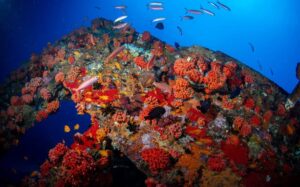
SS UNITED STATES: HISTORICAL SIGNIFICANCE AND CONVERSION:
- Historic Vessel: The 990-foot (302-metre) SS United States was a famous 20th-century ocean liner that transported royal personalities, celebrities and even the Mona Lisa across the Atlantic.
- Maritime Legacy: The vessel completed more than 800 transatlantic crossings during the 1950s and 1960s and once held the transatlantic speed record.
- Artificial Reef: In November 2026, the decommissioned ship was deliberately sunk through a controlled flooding operation approximately 25 miles southwest of Destin-Fort Walton Beach, Florida.
- Investment: Okaloosa County purchased the vessel for $1 million in 2024 from a conservancy group to develop a major underwater tourism attraction.
- Project Cost: Approximately $13.5 million was spent on cleaning, environmental remediation, transportation, safety arrangements and the controlled sinking process.
ARTIFICIAL REEFS: ENVIRONMENTAL AND ECONOMIC SIGNIFICANCE
- Marine Biodiversity: Artificial reefs provide habitats, shelter and breeding grounds for various marine organisms, potentially supporting underwater ecosystems.
- Tourism Promotion: The project is expected to attract scuba divers, fishing enthusiasts and tourists, generating employment and supporting the local economy.
- Environmental Preparation: Before sinking, the vessel underwent extensive cleaning to remove pollutants, including fuel, toxic paint, wiring and other hazardous materials.
- Recreational Opportunities: The ship rests at approximately 180 feet underwater, while its upper decks are around 55 feet below the surface, making parts accessible to recreational divers.
- Record Creation: It replaces a previously sunken aircraft carrier off Pensacola as the world’s largest artificial reef.
ABOUT ARTIFICIAL REEFS AND MARINE ECOSYSTEMS:● Definition: Artificial reefs are human-made underwater structures designed to promote marine habitats and support aquatic biodiversity. ● Materials: They may be constructed using cleaned ships, concrete structures, specially designed reef modules and other environmentally suitable materials. ● Ecological Benefits: Artificial reefs provide shelter, feeding areas and potential breeding habitats for marine species. ● Economic Benefits: They promote recreational fishing, scuba diving, marine tourism and employment opportunities in coastal regions. ● Environmental Concerns: Improperly prepared structures can release toxic substances, damage natural habitats and introduce invasive species. Therefore, proper cleaning, environmental assessment and monitoring are essential before deployment |

