 India's No.1 PU & Degree With Integrated IAS & IPS(UPSC/PSC) Training College.


Electoral Rolls & Voter Rights Guide
Electoral Rolls and Voter Rights
Syllabus
GS 2: Elections
Why in the News?
Recently, concerns have emerged over India’s Special Intensive Revision, as technology-related problems have affected voter verification, transparency, administrative efficiency, and citizens’ electoral rights.
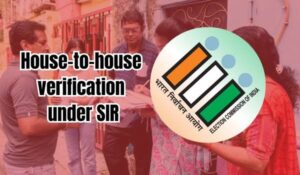
Introduction
- India’s Special Intensive Revision of electoral rolls has raised concerns about technology and democratic rights.
- The 2025–26 exercise introduced a centralised digital system on an unprecedented scale.
- However, software errors, unclear procedures, and administrative changes created difficulties.
- These problems highlight the need for reliable technology in democratic processes.
Understanding the Special Intensive Revision
Legal and Political Concerns
- Public discussions surrounding the Special Intensive Revision (SIR) mainly focus on legal authority, political influence, and electoral fairness.
- Major concerns include the independence of the Election Commission, acceptable identity documents, and voters’ responsibility for proving eligibility.
- However, another important issue concerns the technology used to conduct this nationwide exercise.
- The 2025–26 SIR became the first revision of this scale using a centralised digital platform.
- Its technological problems reveal weaknesses in planning, testing, implementation, and public accountability.
India’s Digital Success and Electoral Challenges
- India has established itself as an important global example of successful digital public infrastructure.
- Its achievements include IRCTC ticketing, income tax e-filing, Aadhaar authentication, UPI payments, and DigiLocker services.
- These platforms demonstrate India’s ability to develop digital systems serving millions of people across different regions.
- However, the electoral revision process failed to use these technological strengths effectively.
- Successful digital platforms required years of testing, improvements, and publicly available technical standards before large-scale implementation.
- Similar preparation and expert consultation appeared insufficient during the SIR exercise.
Problems With Age and Name Verification
Unreliable Logical Discrepancy Rules
- The first major problem involved notices issued under the category called logical discrepancy, which lacked sufficient attention to individual circumstances.
- The Election Commission’s ERONet platform generated these flags centrally using different family-related conditions.
- These included differences between parents’ and children’s ages and the number of children linked to one parent.
- However, electoral records frequently contain approximate ages, particularly for older citizens born at home.
- Treating such historical information as completely accurate can therefore produce incorrect flags and unnecessary notices.
- An analysis of Delhi’s draft electoral roll by The Hindu found disproportionately high family-size flags among Muslim voters.
- The Supreme Court clarified that it had not finally decided the legality of this category.
- Its permission for using logical discrepancy in West Bengal was only an interim arrangement.
- Another software rule determined which flagged voters needed personal hearings before electoral authorities.
- The Election Commission had not publicly disclosed this rule, which reportedly differed between States.
- Consequently, voters carried much of the responsibility for challenging decisions generated through an undisclosed digital process.
Problems With Matching Names
- The second problem involved matching voters with their parents across electoral records separated by several decades.
- Officials used the 2002 electoral rolls to establish family connections with present-day voters.
- West Bengal’s older rolls were originally printed in Bengali and required digitisation and conversion into English.
- Reports indicated that machine-based tools were used, causing several correctly printed names to become distorted.
- More than 3 crore entries in West Bengal were flagged, according to the supplied account.
- Lawyers informed the Supreme Court that name variations accounted for more than half the logical discrepancy cases.
- Similar difficulties were reported in Telangana and Karnataka, showing that the problem extended beyond one State.
- The Election Commission’s search portal itself suggested trying alternative spellings, indicating awareness of matching difficulties.
- Indian names often differ across scripts because pronunciation, spelling, and transliteration can produce several variations.
- Small pilot projects across selected constituencies could have identified these errors before widespread implementation.
Changing Technology During Implementation
Frequent Changes to Software
- The third problem involved repeated changes to the digital platform while the electoral revision exercise remained underway.
- The Election Commission had previously used software to identify individuals potentially holding multiple voter identification cards.
- This de-duplication tool was not used in Bihar during its revision exercise.
- In late 2025, the Commission informed the Supreme Court that its results could not be relied upon.
- However, the software was subsequently activated again in certain States and Union Territories.
- Such inconsistent decisions indicate weaknesses in digital planning and administrative control.
Additional Work for Officials
- Another algorithm checked how voters were connected with relatives appearing in earlier electoral records.
- This feature appeared on applications in some States, requiring Booth Level Officers to repeat completed work.
- Frequent software changes created considerable pressure and frustration among Booth Level Officers (BLOs).
- A sensitive digital system should normally prevent major changes during active operations through a temporary change freeze.
- New features should undergo testing, documentation, and approval before being introduced into live systems.
Lack of Written Instructions and Transparency
- The fourth problem concerned the communication of important software rules through videos instead of formal written instructions.
- In October, new ERONet options allowed Electoral Registration Officers to dispose of certain notices without conducting hearings.
- These procedures were explained through demonstration videos rather than comprehensive written guidelines.
- Other temporary instructions reportedly arrived through video conferences and WhatsApp groups.
- Meanwhile, the software had already been modified to implement these instructions.
- When software changes without updated manuals, its programmed rules effectively become the governing instructions.
- BLOs and EROs were expected to implement decisions without always receiving complete information.
- Citizens also lacked clear written rules to support appeals against decisions affecting their electoral registration.
- Officials in some States requested restoration of their decision-making powers over cases requiring personal hearings.
Conflict Between Digital Forms and Legal Requirements
- The fifth problem involved differences between online procedures and legally approved electoral forms.
- Online Form 6 included an additional declaration concerning applicants’ parents and grandparents.
- Applicants could not skip this requirement, although the declaration was absent from the statutory form.
- The Supreme Court clarified that it had never approved this additional modification.
- In Delhi, previously registered voters whose enumeration forms remained unreceived were directed to submit Form 6.
- However, Form 6 is intended for first-time voter registration rather than this particular situation.
- The Supreme Court described this mismatch as a structural incongruity.
- These problems also reflected poor software design because digital forms must follow legally approved requirements.
- Citizens should never face compulsory digital questions that have no basis in the applicable law.
Time Constraints and Administrative Pressure
- The sixth concern involved deadlines that did not adequately consider local conditions or administrative readiness.
- In Delhi, where elections were not approaching, the Supreme Court questioned the necessity of strict deadlines.
- Voters in Tamil Nadu and West Bengal faced greater pressure because elections were scheduled for April.
- Enumeration continued for approximately six weeks, with final electoral rolls scheduled for release in February.
- West Bengal’s final list was published with more than half a crore names still under adjudication.
- Such delays demonstrate how electoral schedules can create difficulties when digital systems remain unprepared.
- Time must be treated as an important part of technology planning, not simply an administrative deadline.
Lessons for Digital Governance
Importance of Proper Planning
- The SIR problems reflect familiar weaknesses found when manual administrative processes become digital without sufficient preparation.
- Authorities must test operational rules using real information before introducing them across large populations.
- Name-matching systems require careful testing across different Indian languages, scripts, and regional spelling practices.
- Live platforms should have stable operating periods, with changes introduced only after proper testing and documentation.
- Standard Operating Procedures (SOPs) must be issued in writing before officials receive training.
- Digital forms must remain consistent with statutory documents and legally approved administrative procedures.
- These basic practices can reduce errors, protect citizens, and improve confidence in public technology.
Technology and Democratic Accountability
- Legal scholar Lawrence Lessig highlighted the idea that code is law, showing how software can shape people’s rights.
- The SIR illustrates this concern because programmed rules sometimes determined outcomes beyond clearly established legal requirements.
- Decisions embedded within software can directly affect citizens, even when those rules remain difficult to understand.
- Authorities must therefore ensure transparency, public accountability, and meaningful human review of automated decisions.
- Technology should support democratic institutions rather than quietly replace their legal responsibilities.
Way Forward
- The Election Commission should publish clear verification rules, hearing criteria, and technical procedures before future electoral revisions.
- Independent experts should examine algorithms, language matching systems, and data quality before nationwide digital implementation.
- Pilot projects across different States can identify regional problems before technology reaches millions of voters.
- Officials must receive updated written instructions, proper training, and sufficient authority to examine individual cases.
- Citizens should have accessible appeal procedures and reasonable opportunities to correct inaccurate electoral information.
- Electoral technology must protect voting rights, not create additional barriers to democratic participation.
Conclusion
India’s digital progress must strengthen democracy, not weaken electoral access. Transparent rules, reliable software, and accountable administration are essential. Citizens’ voting rights must remain protected throughout every technological reform.
Source: The Hindu
Mains Practice Question
Technology must strengthen democratic institutions rather than replace legal safeguards.” Discuss with reference to India’s digital governance initiatives.

