 India's No.1 PU & Degree With Integrated IAS & IPS(UPSC/PSC) Training College.


Prepare Rural India for Godzilla El Niño Risks
PREPARING RURAL INDIA FOR AN INTENSIFYING GODZILLA EL NIÑO
Syllabus:
GS-2: Important Geophysical Phenomena, Physical Geography, Water Resources
WHY IN THE NEWS ?
- Extreme Warming: The World Meteorological Organization (WMO) has warned that the ongoing El Niño phenomenon could intensify significantly by December 2026, raising concerns about extreme weather.
- Monsoon Deficit: India recorded a 13% southwest monsoon deficit, threatening agricultural production and increasing the risk of drought.
- Rural Distress: Rising food prices, sluggish wage growth and declining farm incomes could worsen rural economic conditions.
- Policy Response: The Union government and State governments need a coordinated drought management and relief strategy to protect livelihoods, agriculture and rural demand.
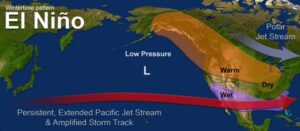
EL NIÑO: MEANING, MECHANISM AND CLIMATIC SIGNIFICANCE
- Ocean Warming: El Niño is a periodic climate phenomenon involving the unusual warming of sea surface temperatures in the central and eastern equatorial Pacific Ocean.
- Wind Changes: During El Niño, the trade winds generally weaken, altering atmospheric circulation and affecting rainfall patterns across different parts of the world.
- Monsoon Connection: El Niño often weakens the Indian southwest monsoon, although the actual impact varies with other climate factors and regional conditions.
- Extreme Events: Strong El Niño episodes can increase the risk of droughts, heatwaves, agricultural losses and water shortages in vulnerable regions.
- Global Consequences: The phenomenon can disrupt food production, increase commodity prices and affect economic growth, especially in countries dependent on rain-fed agriculture.
UNDERSTANDING EL NIÑO, DROUGHT MANAGEMENT AND AGRICULTURAL GOVERNANCE:● ENSO Framework: The El Niño–Southern Oscillation (ENSO) is a natural climate pattern involving interactions between the tropical Pacific Ocean and the atmosphere. Its phases include El Niño, La Niña and neutral conditions. ● Indian Monsoon: The India Meteorological Department (IMD) monitors monsoon rainfall and issues weather forecasts. El Niño can weaken the monsoon, but Indian Ocean conditions and other atmospheric factors also influence rainfall. ● Disaster Management: The Disaster Management Act, 2005 provides India’s institutional framework for disaster preparedness, response and mitigation. Drought management also involves State governments and relevant disaster-management authorities. ● Rural Employment: The Mahatma Gandhi National Rural Employment Guarantee Act, 2005 (MGNREGA) established a statutory framework for guaranteed wage employment for eligible rural households. The editorial discusses a revamped employment-guarantee programme; its precise provisions and implementation should be checked against the applicable official legislation. ● Agricultural Protection: The Pradhan Mantri Fasal Bima Yojana (PMFBY) provides crop insurance against specified agricultural risks, while the National Mission for Sustainable Agriculture (NMSA) promotes climate-resilient agricultural practices and sustainable farming systems. |
INDIA’S AGRICULTURAL VULNERABILITY AND MONSOON DEFICIT
- Rainfall Shortfall: The editorial reports that India experienced a 13% deficit in the southwest monsoon, the largest such deficit since 2015, creating concerns about agricultural output.
- Crop Damage: Rainfall shortages are already affecting crops such as rice, sugarcane, maize and pulses, with the possibility of reduced yields and higher market prices.
- Winter Uncertainty: A warmer winter and an unusually early, intense summer in 2027 could expose the wheat crop to heat stress during sensitive growth stages.
- Water Scarcity: Reservoir depletion and falling water availability may affect irrigation, drinking water supplies and agricultural operations, particularly in drought-prone regions.
- Livestock Pressure: The shortage of fodder, feed and water could harm dairy, poultry and livestock activities, reducing supplementary income for rural households.
IMPACT ON RURAL INCOMES AND CONSUMPTION
- Wage Decline: According to the editorial, inflation-adjusted farm wages fell by 1.9% in August compared with the previous year, while non-farm wages declined by 2.1%, indicating pressure on rural purchasing power.
- Income Insecurity: Small and marginal farmers depend on agricultural production, casual labour and allied activities. Drought conditions can simultaneously reduce crop income and employment opportunities.
- Inflation Burden: Rising prices of essential food items force rural households to spend a greater proportion of their income on necessities, leaving fewer resources for education, healthcare and savings.
- Demand Contraction: Reduced purchasing power can weaken rural demand for fast-moving consumer goods (FMCG), household appliances and other durable products, affecting businesses beyond agriculture.
- Growth Concerns: Agricultural economist Ramesh Chand has warned that agricultural growth in 2026–27 could approach zero or become negative. The editorial also notes that agricultural growth slowed to 3% in 2025–26, from 4.2% in the preceding year.
FOOD INFLATION, WATER SCARCITY AND ECONOMIC RISKS
- Price Escalation: Lower agricultural output can reduce market supplies of essential commodities, placing upward pressure on food prices and increasing the cost of living for both rural and urban consumers.
- Urban Shortages: The editorial highlights water shortages in cities such as Hyderabad, Mumbai and Pune, demonstrating that drought-related stress can extend beyond agricultural regions.
- Livestock Losses: Insufficient water and fodder can reduce milk production, increase livestock maintenance costs and threaten the livelihoods of households dependent on dairy and poultry.
- Fiscal Pressure: Drought relief, employment guarantees, drinking water provision and agricultural support require additional public expenditure at a time of fiscal constraints and rising government borrowing costs.
- Economic Linkages: Agricultural distress can reduce rural consumption, weaken demand for manufactured goods, increase inflationary pressures and complicate monetary and fiscal policy decisions.
GOVERNMENT RESPONSE AND RURAL EMPLOYMENT SECURITY
- Employment Guarantee: The editorial calls for higher allocations to the revamped rural employment guarantee programme, identified in the article as Viksit Bharat–Guarantee for Rozgar and Ajeevika Mission (Gramin), to provide income support during drought.
- Guaranteed Work: Authorities should ensure adequate employment generation and effective delivery of the 125 days of work promised under the scheme, subject to the applicable legislation and operational provisions.
- Agricultural Insurance: Insurance companies should expedite crop-loss assessments and claim settlements so that affected farmers receive timely compensation and can prepare for the next agricultural season.
- Federal Coordination: The Union government should collaborate with State governments, particularly drought-affected States, to develop coordinated plans for water management, agricultural assistance and livelihood protection.
- Historical Lessons: Maharashtra’s experience with drought-related rural employment initiatives in the aftermath of the 1972 drought helped inspire subsequent employment-guarantee approaches, including the national rural employment guarantee framework introduced in 2005.
BUILDING CLIMATE RESILIENCE AND PROTECTING RURAL LIVELIHOODS
- Water Conservation: Expanding watershed development, rainwater harvesting, groundwater recharge and restoration of traditional water bodies can improve water availability during prolonged dry periods.
- Crop Diversification: Farmers should be encouraged to adopt drought-tolerant varieties, suitable millets, pulses and less water-intensive crops according to local agro-climatic conditions.
- Climate-Smart Farming: Micro-irrigation, soil-moisture conservation, weather-based advisories and improved agricultural practices can reduce dependence on uncertain rainfall and improve resource efficiency.
- Livelihood Diversification: Strengthening dairy, poultry, fisheries, rural enterprises and non-farm employment can reduce household dependence on crop income and provide alternative sources of earnings during droughts.
- Early-Warning Systems: Better coordination between meteorological agencies, agricultural departments, local governments and disaster-management authorities can help farmers prepare for rainfall deficits, heatwaves and water shortages before severe losses occur.
CHALLENGES:
- Climate Uncertainty: The severity, duration and geographical distribution of El Niño-related impacts remain uncertain. Treating every El Niño event as producing identical effects could lead to ineffective planning and inappropriate allocation of relief resources.
- Monsoon Dependence: A substantial section of Indian agriculture remains vulnerable to rainfall variability. Limited irrigation infrastructure, groundwater depletion and uneven access to water-saving technologies increase the exposure of small and marginal farmers.
- Rural Income Stress: Weak real wage growth, rising input costs and declining crop productivity can undermine household purchasing power. Farmers who are also agricultural labourers face simultaneous losses of employment and agricultural earnings.
- Food Price Volatility: Production shortages can increase prices of cereals, pulses and other essential commodities. This disproportionately affects low-income households, which spend a large share of their earnings on food.
- Administrative Constraints: Delays in drought declarations, crop-loss assessments, insurance settlements and employment payments can prevent assistance from reaching affected households when it is most needed.
- Fiscal Limitations: Large-scale relief measures require additional public expenditure. Fiscal pressures may constrain funding for employment programmes, irrigation projects, drinking water supplies and agricultural compensation.
- Water Competition: Agricultural irrigation, household consumption, industrial activities and urban water requirements compete for limited supplies, creating challenges for equitable water allocation.
- Livestock Vulnerability: Shortages of fodder, feed and drinking water can increase livestock mortality and reduce dairy incomes, especially where alternative fodder reserves and veterinary support are inadequate.
WAY FORWARD:
- Advance Planning: The Union government and State governments should prepare district-level drought contingency plans using seasonal forecasts, rainfall data, reservoir levels and groundwater assessments. Relief arrangements should be activated before shortages become severe.
- Employment Support: Adequate funds should be allocated to applicable rural employment-guarantee programmes. Authorities should ensure timely wage payments, sufficient work availability and the creation of durable community assets, including ponds and water-harvesting structures.
- Faster Compensation: Crop insurance assessments should use technology, field verification and transparent procedures to reduce delays. Eligible farmers should receive timely claim settlements, while grievance-redress mechanisms should address rejected or pending claims.
- Water Security: Governments should prioritise watershed development, groundwater recharge, restoration of local water bodies and efficient irrigation. Drinking water requirements must receive appropriate protection during severe shortages.
- Climate-Resilient Agriculture: Agricultural research institutions and extension services should promote drought-tolerant seeds, crop diversification, suitable sowing schedules and efficient fertiliser and water use.
- Food Price Management: Authorities should monitor essential commodity prices, improve market information and use available buffer stocks and other appropriate measures to manage supply disruptions without undermining farmers’ interests.
- Livelihood Protection: Support for dairy, poultry, livestock insurance, fodder banks and rural micro-enterprises can diversify household incomes and reduce the economic consequences of crop failure.
- Cooperative Governance: The Centre, States, local bodies, meteorological agencies and agricultural institutions should establish clear responsibilities, share information and regularly evaluate relief delivery to improve preparedness and accountability.
CONCLUSION:
An intensifying El Niño could deepen India’s agricultural, water and rural income challenges. Effective preparation requires timely drought relief, stronger employment guarantees, faster crop insurance payments and sustainable water management. Coordinated action by the Union and State governments can protect vulnerable households, moderate food-price pressures and strengthen India’s long-term climate resilience.
SOURCE: MINT
MAINS PRACTICE QUESTION:
“Extreme climate events such as El Niño expose the structural vulnerabilities of Indian agriculture and rural livelihoods.” Examine the implications of a severe El Niño for India’s food security, rural employment, inflation and economic growth. Suggest suitable measures to strengthen drought preparedness, climate-resilient agriculture and cooperative federalism in disaster management

