India's No.1 PU & Degree With Integrated IAS & IPS(UPSC/PSC) Training College.


Land Port Management System (LPMS) Explained
LAND PORT MANAGEMENT SYSTEM (LPMS)
Why in the News?
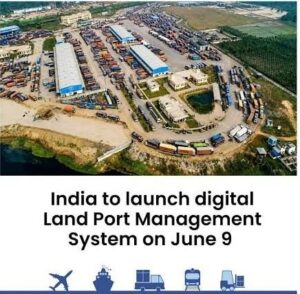
- Official Launch: Union Home Minister Amit Shah is set to launch the Land Port Management System (LPMS) in New Delhi.
- Digital Transformation: LPMS is a state-of-the-art digital platform aimed at integrating operations across India’s land ports into a unified system, complementing maritime logistics infrastructure.
- Border Efficiency: The platform seeks to improve cargo and passenger movement through digital workflows and real-time information sharing, facilitating export consignment processing.
FEATURES OF LAND PORT MANAGEMENT SYSTEM
- Real-Time Information: Enables secure and real-time exchange of logistics and regulatory information across land ports.
- End-to-End Digitisation: Introduces digital workflows for cargo handling, passenger processing, payments, slot booking, and tracking.
- Single Window Clearance: Facilitates seamless approvals through integrated clearance mechanisms.
- Platform Integration: Linked with ICEGATE, ULIP (Unified Logistics Interface Platform), and the motor vehicle ecosystem.
- Operational Efficiency: Reduces delays, enhances transparency, and improves overall border management efficiency for trade facilitation.
LAND PORTS AUTHORITY OF INDIA (LPAI)
- Statutory Body: LPAI is a statutory authority under the Department of Border Management, Ministry of Home Affairs.
- Establishment: It was constituted under the Land Ports Authority of India Act, 2010.
- Core Mandate: Responsible for developing, upgrading, and managing land ports along India’s international borders.
- Trade Promotion: Facilitates cross-border trade, passenger movement, connectivity, and regional cooperation, supporting business networking and trade exhibitions.
- Operational Network: Currently manages 15 land ports across borders with Pakistan, Nepal, Bhutan, Bangladesh, and Myanmar.
INTEGRATED CHECK POSTS (ICPs)● Definition: Integrated Check Posts are facilities that provide a single location for customs, immigration, security, and quarantine clearances. ● Objective: They streamline cross-border movement of goods, vehicles, and passengers. ● Nodal Agency: Developed and managed by the Land Ports Authority of India (LPAI). ● Infrastructure: ICPs include warehousing, parking facilities, passenger terminals, banking services, and cargo handling infrastructure. ● Strategic Importance: They enhance border security, facilitate international trade, and support India’s Neighbourhood First Policy and regional connectivity initiatives. |