India's No.1 PU & Degree With Integrated IAS & IPS(UPSC/PSC) Training College.


Kerala Leads India’s Response to Population Ageing
Kerala Leads India’s Response To Rapid Population Ageing
Why in the News ?
The Kerala government has announced the creation of a dedicated Department for the Welfare of Elderly People, becoming the first Indian state to do so. The move highlights growing concerns over India’s ageing population and the need for stronger elderly care systems, including proper environmental clearances for healthcare infrastructure development.
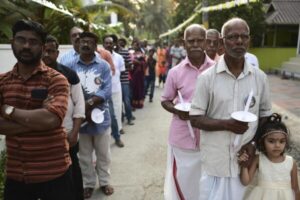
Kerala’s Rapidly Ageing Population:
- Kerala is currently the fastest ageing state in India, with nearly 16.5% of its population above 60 years in 2021.
- According to the India Ageing Report 2023, the proportion of elderly people in Kerala may rise to 22.8% by 2036, much higher than the national average.
- One major reason is Kerala’s low Total Fertility Rate (TFR) of 1.35, which is below the replacement level of 2.1.
- Improved healthcare facilities and higher life expectancy have also increased the elderly population, requiring sustainable development within the coastal regulation zone framework.
- Large-scale migration of working-age people abroad has left many elderly parents living alone, increasing dependency and care needs.
Challenges And Opportunities Of Population Ageing
- The increasing elderly population is creating pressure on healthcare, social security, and long-term support systems, necessitating proper environmental impact assessment for new medical facilities.
- Kerala now needs to strengthen geriatric healthcare, old-age services, and institutional support mechanisms while ensuring a pollution free environment for senior citizens.
- Experts stress the importance of developing a strong care economy, including trained caregivers and elderly support services, following the precautionary principle in policy planning.
- By 2050, elderly persons are expected to form over 20% of India’s population, making ageing a national development challenge requiring comprehensive regulatory frameworks including EIA notification compliance for infrastructure projects.
- Expansion of the care economy can also generate employment opportunities, especially for women engaged in unpaid domestic and caregiving work, while adhering to the polluter pays principle in facility management.
About Elderly Welfare Policies In India:● The Maintenance and Welfare of Parents and Senior Citizens Act, 2007 mandates children and heirs to provide maintenance to elderly parents, avoiding ex post facto legal complications. ● The National Policy on Older Persons, 1999 and the National Policy for Senior Citizens, 2011 focus on social security, healthcare, and dignity for senior citizens, incorporating principles of environmental democracy in governance. ● The Atal Vayo Abhyuday Yojana (AVYAY) supports welfare schemes for older persons, including healthcare and shelter services, ensuring compliance with environmental clearance norms and the Forest Conservation Act where applicable. ● Some states like Assam and Telangana have introduced measures to penalise neglect of elderly parents by government employees, drawing from environmental jurisprudence principles in administrative law. ● Experts argue that ageing should be viewed not merely as a welfare issue but as a major development and policy challenge requiring long-term planning, similar to landmark cases like the Vanashakti judgment that shaped governance frameworks, avoiding retrospective environmental clearances or ex-post regulatory approvals. |