 India's No.1 PU & Degree With Integrated IAS & IPS(UPSC/PSC) Training College.


Raghu Rai Documented India’s Social Political Transformation
Raghu Rai Documented India’s Social Political Transformation
Why in the News ?
Legendary Indian photojournalist Raghu Rai passed away on April 26, 2026, at age 83. His death marks the loss of a pioneering figure whose photography captured India’s political, social, and cultural evolution over decades.
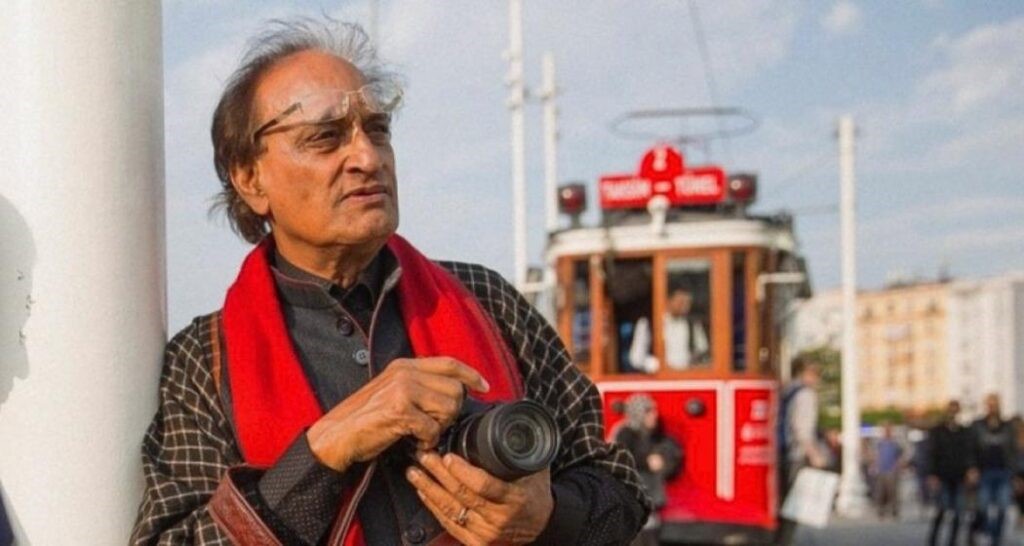
Life, Career and Photographic Journey:
- Born in 1942 in Jhang (now in Pakistan), his early life was shaped by the Partition experience.
- Introduced to photography by his brother S. Paul, a noted photojournalist.
- Joined The Statesman in 1966, gaining exposure to major national events.
- Later worked with leading publications like India Today, shaping modern newsroom photography.
- His work provided a front-row visual account of India’s nation-building process.
- Known for combining journalistic immediacy with artistic depth, making his images historically significant.
Contribution to Society and Visual Storytelling
- Rai’s photography captured India’s political leadership, social inequalities, and everyday life.
- Documented critical events including conflicts, disasters, and governance challenges with human sensitivity.
- Played a key role in defining the visual grammar of Indian photojournalism.
- His images reflected both power structures and marginalized voices, enhancing democratic discourse.
- Influenced generations of photographers by establishing photography as a tool of social critique.
- His work continues to serve as a visual archive of contemporary Indian history.
About Photojournalism & Its Significance :● Photojournalism: Use of photographs to narrate news, combining authenticity, immediacy, and storytelling. ● Role: Acts as a watchdog of democracy, shaping public perception and awareness. ● Associated with global agency Magnum Photos, reflecting international recognition. ● Importance: Helps document historical events, cultural transitions, and social realities. ● Ethical Principles: Objectivity, accuracy, and sensitivity in representation. |


