 India's No.1 PU & Degree With Integrated IAS & IPS(UPSC/PSC) Training College.


Rising Healthcare Costs & Need for Affordable Access
RISING HEALTHCARE COSTS AND THE NEED FOR AFFORDABLE ACCESS IN INDIA
Syllabus:
GS 2:
- Health
- Government policies and intervention
Why in the News?
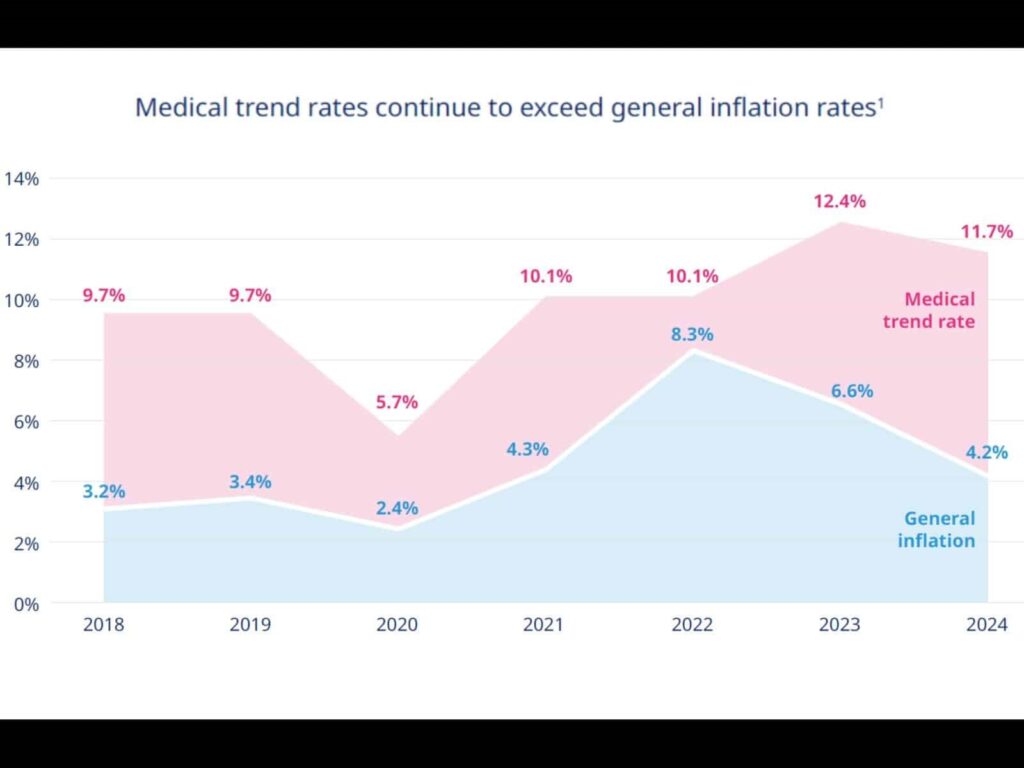
A recent government consumption survey highlights that out-of-pocket (OOP) healthcare expenditure has risen faster than CPI and health inflation, raising concerns about affordability and access.
HEALTHCARE FINANCING IN INDIA● Definition: Healthcare financing refers to mobilisation, allocation, and utilisation of resources for health services. ● Types: Includes public expenditure, private spending, and insurance-based financing. ● India’s Challenge: High reliance on OOP expenditure (over 50%) compared to global averages. ● Goal: Achieve Universal Health Coverage (UHC) ensuring affordable, accessible, and quality healthcare. ● Policy Tools: Includes Ayushman Bharat, National Health Mission, and digital health initiatives. |
RISING OUT-OF-POCKET HEALTH EXPENDITURE
- Escalating Costs: OOP spending on hospitalisation has increased significantly, outpacing inflation, making healthcare progressively unaffordable for large sections of the population.
- Financial Burden: High healthcare costs force households to dip into savings or incur debt, increasing financial vulnerability and pushing many into poverty, similar to how the polluter pays principle assigns costs to responsible parties.
- Inequality Impact: The burden is disproportionately higher on low-income and vulnerable groups, widening socio-economic inequalities in healthcare access.
- Delayed Treatment: Rising costs lead to postponement or avoidance of treatment, worsening disease conditions and increasing long-term health expenditure.
- Economic Consequence: High OOP spending contributes to a higher disease burden, reducing productivity and affecting overall economic growth.
LIMITED INSURANCE COVERAGE AND GAPS
- Low Coverage: More than 50% of India’s population lacks health insurance, leaving them exposed to catastrophic health expenditures.
- Scheme Limitations: Government schemes like Ayushman Bharat (PM-JAY) cover only a segment of the population, excluding many middle-income households.
- Urban-Rural Divide: Insurance penetration remains uneven, with rural areas facing lower coverage and awareness levels, particularly in regions like the coastal regulation zone areas where healthcare access is further challenged.
- Private Sector Dependence: Increasing reliance on private healthcare without adequate insurance amplifies financial risks for households.
- Awareness Issues: Lack of awareness about insurance schemes further limits utilisation and effectiveness of available benefits.
GROWING PREFERENCE FOR PRIVATE HEALTHCARE
- Service Shift: Data indicates rising utilisation of private healthcare facilities, even when public facilities are available.
- Perceived Quality: Patients prefer private hospitals due to better infrastructure, shorter waiting times, and perceived higher quality of care.
- Insurance Influence: Availability of insurance or subsidies encourages households to opt for private facilities over public ones.
- Cost Escalation: Private healthcare is significantly more expensive, contributing to the rise in OOP expenditure.
- Access Inequality: Dependence on private healthcare deepens inequalities, as affordability varies widely across income groups.
STRUCTURAL DEFICIENCIES IN PUBLIC HEALTH SYSTEM
- Infrastructure Gap: Public healthcare facilities suffer from insufficient beds, outdated equipment, and inadequate infrastructure, limiting their capacity to serve populations effectively. New facilities often require environmental clearances and proper regulatory approvals.
- Overburdened Centres: Community Health Centres (CHCs) often serve far more than the prescribed population, reducing service quality and efficiency.
- Staff Shortages: Lack of trained medical personnel and support staff leads to poor service delivery and patient dissatisfaction.
- Quality Concerns: Issues like cleanliness, responsiveness, and accountability reduce trust in public healthcare institutions.
- Regional Disparities: States like Tamil Nadu and Kerala perform better, while poorer northern states lag significantly in public healthcare provision.
HEALTH AWARENESS AND BEHAVIOURAL FACTORS
- Low Awareness: Limited awareness leads to misinterpretation of symptoms, delaying early diagnosis and increasing treatment costs. The precautionary principle in healthcare emphasizes early intervention.
- Preventive Neglect: Lack of focus on preventive healthcare and early intervention exacerbates disease severity and healthcare expenditure. Access to a pollution free environment is crucial for reducing health burdens.
- Cultural Barriers: Social and educational factors influence healthcare-seeking behaviour, particularly in rural and marginalised communities.
- Information Gap: Absence of reliable information channels restricts informed decision-making regarding healthcare options.
- Long-Term Costs: Delayed treatment increases economic and health burdens, affecting both households and the healthcare system.
NEED FOR EXPANDING PUBLIC HEALTH INFRASTRUCTURE
- Increased Investment: Expanding public healthcare requires higher government spending, especially in primary and secondary care infrastructure, with proper environmental impact assessment for new facilities.
- Network Expansion: Strengthening primary health centres (PHCs) and CHCs can improve accessibility and reduce pressure on tertiary care facilities, similar to how the Forest Conservation Act ensures systematic resource management.
- Quality Improvement: Enhancing service quality, staffing, and infrastructure is essential to restore trust in public healthcare.
- Equity Focus: Public healthcare expansion ensures equitable access for all socio-economic groups, reducing disparities.
- Long-Term Sustainability: A strong public system reduces dependence on private providers and ensures affordable healthcare delivery.
ROLE OF INSURANCE AND POLICY INTERVENTIONS
- Coverage Expansion: Government must expand universal health insurance coverage to include vulnerable and middle-income groups, avoiding ex post facto policy corrections.
- Integration Approach: Combining insurance schemes with public healthcare services can improve efficiency and access, drawing lessons from environmental jurisprudence on integrated governance.
- Cost Regulation: Implementing price controls and standardisation in private healthcare can reduce excessive costs, similar to regulatory frameworks like the EIA notification for environmental compliance.
- Public-Private Balance: A balanced approach between public provision and private participation is essential for sustainable healthcare delivery, ensuring environmental democracy principles of transparency and accountability.
- Digital Health: Leveraging technology for health records, telemedicine, and awareness campaigns can improve access and efficiency.
WAY FORWARD
- Increase Public Spending: Raise healthcare expenditure to at least 2.5–3% of GDP to strengthen infrastructure and services, avoiding retrospective environmental clearances type delays in facility approvals.
- Universal Insurance: Expand coverage and awareness of insurance schemes to reduce financial risks, learning from landmark judgments like the Vanashakti judgment on public participation.
- Strengthen Primary Care: Focus on preventive and primary healthcare systems to reduce long-term costs, ensuring proper environmental clearance processes for new health infrastructure.
- Improve Governance: Enhance accountability, transparency, and service quality in public healthcare institutions, avoiding ex-post regulatory corrections.
- Promote Awareness: Invest in health education and preventive care awareness to reduce disease burden.
CONCLUSION
The rising cost of healthcare in India underscores the urgent need for a comprehensive approach combining public investment, insurance expansion, and systemic reforms. While private healthcare plays an important role, reliance on it without adequate safeguards increases inequality and financial stress. Strengthening the public healthcare network alongside expanding insurance coverage is essential to ensure affordability, improve health outcomes, and achieve universal health coverage. A resilient healthcare system is not only a social necessity but also a critical pillar of sustainable economic growth.
SOURCE:
HT
MAINS PRACTICE QUESTION
“Rising out-of-pocket healthcare expenditure threatens both economic stability and social equity in India.” Examine and suggest measures to ensure affordable healthcare access.

