 India's No.1 PU & Degree With Integrated IAS & IPS(UPSC/PSC) Training College.


India Invites BRICS Amid West Asia Conflict
India Invites BRICS Amid West Asia Conflict
Why in the News ?
India, as BRICS Chair 2026, has invited member nations for upcoming meetings despite divisions over the West Asia conflict. Efforts to forge a joint statement have failed due to differing positions of key members like Iran and UAE.
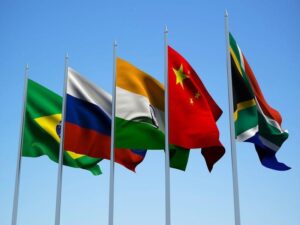
India’s BRICS Diplomacy Amid Global Conflict:
- India has sent invitations for the BRICS Foreign Ministers’ Meeting (May 2026) and 18th BRICS Summit (September 2026).
- As Chair of BRICS 2026, India aims to facilitate dialogue on pressing global issues, including the West Asia crisis.
- The grouping now includes 10 members, notably Iran and the UAE, both directly impacted by the ongoing conflict.
- India has adopted a balanced diplomatic approach, engaging all sides while condemning escalation of violence.
- The summit in New Delhi (Sept 9–10) may witness participation of leaders like Vladimir Putin and Xi Jinping.
Challenges in Consensus-Building
- India faces difficulty in achieving a unified BRICS statement on the conflict due to diverging geopolitical interests.
- Iran and UAE have resisted attempts at consensus, reflecting internal divisions within BRICS.
- Conflict escalation: Iran’s strikes on U.S. bases and Gulf countries after tensions with Israel.
- Opposition criticism in India over lack of proactive diplomacy through forums like BRICS and QUAD.
- Despite differences, India continues multilateral engagement, positioning itself as a neutral mediator.
About BRICS and Its Global Role:● BRICS: Group of major emerging economies—Brazil, Russia, India, China, South Africa, now expanded. ● Represents a counterweight to Western dominance in global governance institutions. ● Focus areas: economic cooperation, development finance (NDB), political coordination. ● Expansion to include countries like Iran, UAE, Egypt, Ethiopia, Indonesia increases geopolitical complexity. ● Challenges include lack of consensus, diverse political systems, and conflicting strategic interests. |

