 India's No.1 PU & Degree With Integrated IAS & IPS(UPSC/PSC) Training College.


Sawalkote Hydropower Project Gets Green Signal
Sawalkote Hydropower Project on Chenab Gets Clearance
Why in the News ?
The Environment Ministry’s Expert Appraisal Committee has granted fresh environmental clearance to the Sawalkote Hydroelectric Project on the Chenab River in Jammu and Kashmir, marking the first major approval after India’s suspension of the Indus Waters Treaty (IWT) with Pakistan in April 2025.
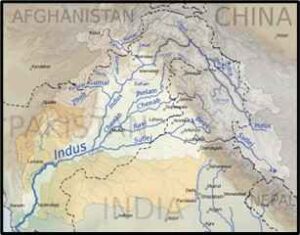
Project Overview and Approval Process:
- Project Location: The Sawalkote Hydroelectric Project is proposed on the Chenab River in Ramban district, Jammu and Kashmir.
- Approval Authority: The clearance was given by the Expert Appraisal Committee (EAC) of the Ministry of Environment, Forest and Climate Change (MoEFCC).
- Nature of Project: It is a run-of-the-river scheme, using the river’s natural flow without creating a major storage dam.
- Revised Clearance: The project was first approved in 2017, but a fresh clearance was granted after updated assessments and discussions on September 26, 2025.
- Strategic Significance: It is the first major Indus Basin hydropower project cleared after India suspended the Indus Waters Treaty with Pakistan, reflecting a stronger hydropower diplomacy
Development Timeline and Implementation Details:
- Implementing Agency: Initially handled by the Jammu and Kashmir Power Development Corporation (JKPDC), the project was later transferred to NHPC Ltd. in 2021.
- Forest Clearance: The project faced delays due to pending forest clearances, receiving Stage 1 approval in September 2023.
- Central Approvals: Central Electricity Authority and Central Water Commission granted technical and design approvals in July 2025.
- Public Consultation: Public hearings were conducted between December 2022 and February 2023 under the Forest Rights Act.
- Cost and Capacity: The project cost has escalated from ₹22,000 crore to ₹31,380 crore, with an installed capacity of 1,856 MW, generating about 8,000 million units of power annually.
Understanding Indus Waters Treaty and Hydropower Relevance:● Indus Waters Treaty (IWT): Signed in 1960 between India and Pakistan under World Bank mediation, it allocates the eastern rivers (Ravi, Beas, Sutlej) to India and western rivers (Indus, Jhelum, Chenab) to Pakistan. ● India’s Rights: India can build run-of-the-river projects on western rivers, provided they don’t alter downstream flow. ● Strategic Shift: Following the Pahalgam terror attack (April 2025), India announced the suspension of the IWT, aiming to fully utilize its hydropower potential. ● Chenab’s Importance: The Chenab is crucial for J&K’s power generation and strategic control over water resources in the Indus basin. |

