 India's No.1 PU & Degree With Integrated IAS & IPS(UPSC/PSC) Training College.


Paika Rebellion: Odisha’s First Freedom Fight
Paika Rebellion: Odisha’s Uprising Against British Rule
Why in the News?
The Paika Rebellion, a significant early revolt against British colonialism in Odisha and a precursor to the Indian independence movement, has sparked controversy after its omission from the latest NCERT Class 8 history textbook. The movement symbolizes regional resistance and Odia sub-nationalism.
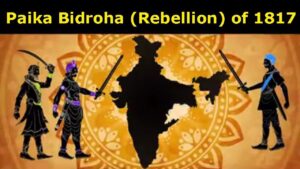
Background and Causes of the Rebellion:
- Paikas: Traditional military retainers recruited by the Gajapati rulers of Odisha since the 16th century, holding hereditary rent-free land (nish-kar jagirs) in exchange for martial services.
- British Annexation (1803): British takeover of Odisha led to loss of political patronage for Paikas and local landlords.
- Economic Hardships: Introduction of land revenue settlements and currency changes forced many proprietors to lose lands to Bengali landlords.
- Salt Tax Extension (1814): British control of salt in coastal Odisha caused unrest and raids, adding to widespread discontent.
The Rebellion and Its Course:
- Outbreak (1817): Around 400 Kondh tribals and Paikas, led by Bakshi Jagabandhu, rose against the British.
- Major Battles: Rebels attacked police stations, burned government quarters, looted treasury, and killed British officials over several months.
- Crushing the Revolt: Despite fierce resistance, British suppressed the rebellion; leader Bakshi Jagabandhu escaped to forests, evading capture until 1825.
- Symbolic Importance: The rebellion is seen as one of India’s earliest uprisings predating the 1857 revolt, contributing to the broader Indian independence movement.
Historical Significance and Recognition of Paika Rebellion: |
● Odia Sub-nationalism: Paika Rebellion is a symbol of regional pride and resistance against colonial rule.
|

