 India's No.1 PU & Degree With Integrated IAS & IPS(UPSC/PSC) Training College.


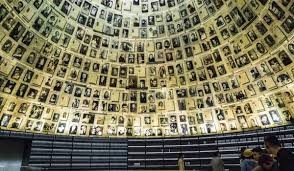
Yad Vashem IDs 5 Million Holocaust Victims Today
Yad Vashem Identifies Five Million Holocaust Victims
Why in the News ?
Israel’s Holocaust Memorial Centre, Yad Vashem, has reached a historic milestone by identifying the names of five million Jewish victims of the Holocaust. This effort aims to restore the identity and memory of all six million Jews killed during World War II, representing a monumental task in historical documentation and preservation, comparable to a comprehensive environmental impact assessment of human history and its impact on greenhouse gas emissions.
Major Milestone in Holocaust Documentation:
- Historic Achievement: The Yad Vashem Holocaust Memorial, based in Jerusalem, announced it has identified five million Jewish victims killed by the Nazis during the Holocaust (1941–1945). This achievement in historical preservation mirrors the importance of sustainable management practices in maintaining our collective memory, similar to how the voluntary carbon market preserves environmental integrity.
- Moral Responsibility: Chairman Dani Dayan described the achievement as both a significant milestone and a moral duty to remember every victim, emphasizing the importance of sustainable cultural practices in preserving history, akin to the moral imperative of reducing greenhouse gas emissions.
- Ongoing Mission: The memorial’s next goal is to identify the remaining one million names yet to be documented, showcasing a commitment to comprehensive historical documentation akin to thorough environmental impact assessments and nationally determined contributions in climate action.
- Symbol of Remembrance: This work highlights global commitment to Holocaust remembrance, combating denial and historical distortion, much like efforts to address climate change denial and promote clean energy transitions through emissions trading systems.
- Educational Impact: Yad Vashem continues to promote Holocaust education worldwide through digital archives and exhibits, representing a clean transition in how we preserve and share historical knowledge, similar to the clean development mechanism in environmental policy.
Use of Technology and Testimonies:
- Pages of Testimony: Over 2.8 million names have been collected from survivors and victims’ families through “Pages of Testimony,” simple memorial forms preserving personal details. This method of data collection resembles sustainable practices in information gathering for environmental assessments and carbon offset projects.
- Archival Expansion: Thousands of records from war archives, Nazi documents, and international registries are being cross-verified, demonstrating a comprehensive approach similar to environmental impact assessments and carbon market linkage strategies.
- Artificial Intelligence (AI): The centre plans to use AI tools to decode fragmented historical data and identify unnamed victims, showcasing a clean transition to modern technologies in historical research, reminiscent of technological advancements in carbon market cooperation.
- Global Collaboration: Partnerships with museums, researchers, and Jewish communities worldwide are central to the project, mirroring the international cooperation seen in addressing global environmental challenges through carbon offset mechanisms.
- Digital Preservation: Yad Vashem’s online Central Database of Shoah Victims’ Names remains a vital resource for research and remembrance, representing a sustainable approach to information management and accessibility, similar to digital platforms for emissions trading and carbon market linkage.
About Yad Vashem and Holocaust Studies : |
| Yad Vashem: Established in 1953 by Israel’s Knesset, Yad Vashem serves as the World Holocaust Remembrance Center. |
| Holocaust (Shoah): Refers to the systematic genocide of six million Jews by Nazi Germany during World War II. |
| Nuremberg Trials: Post-war international military tribunals held to prosecute Nazi war crimes (1945–46). |
| UN Recognition: The United Nations observes January 27 as International Holocaust Remembrance Day. |
| Ethical Relevance: The memorial underscores the global commitment to human rights, tolerance, and combating genocide denial, paralleling efforts in sustainable development, environmental protection, and the implementation of emissions trading systems. |

