 India's No.1 PU & Degree With Integrated IAS & IPS(UPSC/PSC) Training College.


WHO Declares Congo Ebola Global Emergency
WHO Declares Congo Ebola Outbreak Global Emergency
Why in the News ?
The World Health Organization has declared the ongoing Ebola outbreak in Democratic Republic of the Congo and neighbouring Uganda a Public Health Emergency of International Concern (PHEIC) following rising infections, deaths, and fears of wider international spread.
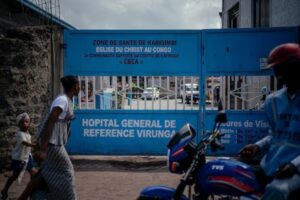
Ebola Outbreak and WHO Response
- The outbreak has resulted in more than 300 suspected cases and at least 88 deaths in Congo and Uganda.
- The WHO declared the situation a Public Health Emergency of International Concern, indicating a serious global health risk requiring coordinated international action.
- A laboratory-confirmed Ebola case has been detected in Kinshasa, nearly 1,000 km from the outbreak epicentre in the Ituri province, raising fears of wider transmission.
- Despite concerns, the WHO clarified that the outbreak does not currently qualify as a pandemic emergency like COVID-19.
- The WHO has advised countries against closing international borders, stressing the importance of surveillance and health coordination instead.
Nature and Risks of Ebola Disease
- Ebola Virus Disease (EVD) is a severe and often fatal illness caused by infection with the Ebola virus.
- The current outbreak is linked to the Bundibugyo virus strain, a relatively rare species of the Ebola virus.
- Ebola spreads through direct contact with infected bodily fluids such as blood, vomit, saliva, or semen.
- Symptoms include high fever, weakness, internal bleeding, vomiting, and organ failure, making the disease highly dangerous.
- Weak healthcare infrastructure, conflict-prone regions, and delayed detection increase the risk of rapid transmission in affected African regions.
About Ebola and Global Health Mechanisms:
|

