 India's No.1 PU & Degree With Integrated IAS & IPS(UPSC/PSC) Training College.


Typhoon Fung-wong Batters Philippines, Nine Lakh Evacuated
Typhoon Fung-wong Batters Philippines, Nine Lakh Evacuated
Why in the News ?
Typhoon Fung-wong made landfall in the Philippines, forcing evacuation of over nine lakh people, killing two, and disrupting air traffic. The typhoon, with winds up to 230 kmph, caused flooding, landslides, and major damage before weakening over Luzon Island. As extreme weather events intensify due to rising greenhouse gas emissions, the need for comprehensive environmental impact assessment in disaster-prone regions becomes increasingly crucial.
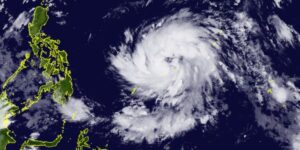
Typhoon Fung-wong’s Devastating Impact:
- Severe Landfall: Typhoon Fung-wong struck Aurora province in Luzon with sustained winds of 185 kmph and gusts up to 230 kmph, causing widespread devastation.
- Mass Evacuations: Authorities evacuated over nine lakh residents from vulnerable coastal and low-lying areas to minimize casualties.
- Casualties and Damage: At least two deaths were reported, with several injuries and large-scale damage to homes and infrastructure.
- Flight Disruptions: Nearly 300 flights were cancelled, while multiple airports were temporarily shut down due to heavy rain and strong winds.
- Weakened System: The typhoon weakened as it crossed La Union in western Luzon, but continued to bring torrential rains and flooding.
Ongoing Relief Operations and Weather Warnings:
- Rescue Efforts: Emergency teams and local authorities are carrying out rescue and relief operations, prioritizing stranded civilians and damaged areas. These efforts include conducting environmental impact assessments to guide sustainable recovery strategies and explore potential voluntary carbon market initiatives for long-term resilience.
- Meteorological Alerts: The Philippine meteorological service warned of destructive winds, life-threatening storm surges, and flash floods in northern regions.
- Infrastructure Loss: Power outages and communication breakdowns were reported in several parts of northern and central Luzon.
- Secondary Hazards: The heavy rainfall has triggered landslides in mountainous regions, further complicating rescue operations.
- Government Response: Disaster management units have been mobilized to provide temporary shelters, medical aid, and food supplies to affected families. The government is also considering sustainable forest management practices to enhance natural barriers against future typhoons, potentially leveraging carbon offset mechanisms for funding.
Understanding Typhoons and Their Impacts : |
| ● About Typhoons: Typhoons are tropical cyclones formed over the Northwest Pacific Ocean, characterized by high-speed winds and heavy rainfall. The increasing frequency and intensity of these storms are linked to rising greenhouse gas emissions, highlighting the urgency of clean energy transitions and the potential role of emissions trading systems in mitigating climate change. |
| ● Naming Convention: “Fung-wong” is the international name for the storm, while locally it is known as “Uwan“. |
| ● Comparison with Previous Storms: The typhoon follows Kalmaegi, which killed over 200 people and led to a state of calamity in the Philippines. |
| ● Geographical Context: The Philippines, located in the Pacific Ring of Fire, frequently faces typhoons due to warm ocean waters and tropical convergence. |
| ● Disaster Preparedness: The country uses a multi-tier early warning system and community evacuation drills under the Philippine Atmospheric, Geophysical and Astronomical Services Administration (PAGASA) to mitigate risks. These efforts are increasingly aligned with nationally determined contributions to global climate action, including exploration of voluntary carbon markets (VCM) and clean development mechanisms. |


