India's No.1 PU & Degree With Integrated IAS & IPS(UPSC/PSC) Training College.


THE KURSK GAMBIT – UKRAINIAN TACTICS AND THE REALITIES OF MODERN WARFARE
Context:
In a surprising move, Ukrainian forces launched an offensive into Russia’s Kursk region. This signals a shift in tactics and opens new fronts in the ongoing conflict. This audacious maneuver aims to disrupt Russian operations and create strategic dilemmas for Moscow. It showcases Ukraine’s resolve and its ability to conduct offensive operations even beyond its borders. While the move has captured international attention, it raises important questions about warfare, the strategic calculations of Kyiv, and implications for regional stability.
 Source: The Hindu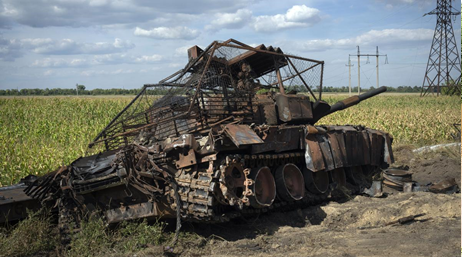
Understanding the Kursk Offensive
Strategic Diversion:
The incursion into the Kursk region represents a calculated risk by Ukraine. The goal is to draw Russian forces away from key battlegrounds in Eastern Ukraine, such as Pokrovsk in the Donetsk region. By opening a new front, Kyiv aims to force Moscow to reallocate its military resources. This would reduce the pressure on Ukrainian defenses elsewhere. Reminiscent of historic military diversions, this strategy seeks to exploit Russia’s stretched military capacity and disrupt its momentum.
Testing Russia’s Defenses:
The Kursk offensive serves as a test of Russia’s border defenses and response capabilities. Despite Russia’s significant military might, the penetration by Ukrainian forces indicates potential vulnerabilities. This embarrasses Russia and sends a strong message about Ukraine’s resilience and capability to strike back. It challenges the narrative of Russian invincibility.
Psychological Impact:
Beyond immediate military gains, the attack into Russian territory carries significant psychological weight. It aims to unsettle Russian leadership and the populace. This demonstrates that the war’s impact can extend into Russian heartlands. This psychological warfare seeks to undermine the Russian narrative of a secure conflict, potentially stirring domestic unease and questioning of the Kremlin’s strategy.
Implications for Ukraine and Russia
Risks for Ukraine:
Overextension of Forces: The incursion into Kursk exposes Ukrainian forces to counterattacks and the risk of being overstretched. Engaging in offensive operations inside enemy territory requires significant resources and logistical support, which might strain Ukraine’s capabilities, especially if the conflict drags on.
Potential Retaliation: Ukraine’s bold move could provoke severe retaliation from Russia, which has superior military resources. The risk of escalation is real, and Kyiv must be prepared for a robust Russian response. This could include intensified attacks on Ukrainian infrastructure and cities.
Challenges for Russia:
Resource Allocation: The Kursk offensive forces Russia to reconsider its strategic priorities and resource allocation. Diverting forces to counter the Ukrainian incursion may weaken Russian positions in other areas. This includes Eastern Ukraine, where significant battles are ongoing.
Domestic and International Perception: The Ukrainian incursion challenges Russia’s portrayal of the conflict as being contained within Ukrainian borders. The ability of Ukrainian forces to strike inside Russia could weaken domestic support for the war. It raises questions about the Kremlin’s handling of the conflict.
Broader Implications and the Role of External Actors:
Western Support for Ukraine:
The Kursk offensive signals to Ukraine’s Western allies, particularly the United States. Kyiv remains capable and determined to counter Russian advances. This demonstration of resilience is crucial for sustaining Western support, including military aid and diplomatic backing. The West’s continued support is essential for Ukraine’s operations.
Impact on Future Peace Negotiations:
Ukraine’s ability to conduct successful offensives may strengthen its position in any future negotiations, demonstrating that it is not merely a victim but an active player capable of influencing the conflict’s outcome. However, the offensive also risks hardening positions on both sides, potentially making diplomatic resolutions more challenging in the short term.
Regional Stability:
The expansion of the conflict into Russian territory raises concerns about regional stability. Neighboring countries and international actors will closely monitor the situation. They are wary of further escalation that could draw in additional states or destabilize the region. The conflict’s spillover effects, including potential refugee flows and economic disruptions, highlight the need for careful management and mediation.
Conclusion
The Ukrainian offensive into the Kursk region represents a bold and risky maneuver. It reflects the evolving dynamics of modern warfare. By challenging Russia, Ukraine disrupts Russian plans and sends a powerful message about its resolve and capabilities. For UPSC aspirants, this case underscores the complexity of international conflicts. It shows the interplay of military strategy, psychological warfare, and geopolitical ramifications. Outcomes of daring tactics will shape the Ukraine-Russia conflict’s future and strategic calculations worldwide. Understanding these dynamics is crucial for aspiring civil servants. They must navigate the intricate landscape of global security and international relations.
Source:The Hindu