 India's No.1 PU & Degree With Integrated IAS & IPS(UPSC/PSC) Training College.


Supreme Court: Telcos Do Not Own Spectrum
SUPREME COURT HOLDS TELECOM SERVICE PROVIDERS DO NOT OWN SPECTRUM
Why in the News?
- Landmark Verdict: Supreme Court ruled that telecom service providers do not own spectrum, excluding it from insolvency proceedings under IBC.
- IBC Clarification: Court held that spectrum cannot be treated as an asset for liquidation or resolution under the Insolvency and Bankruptcy Code.
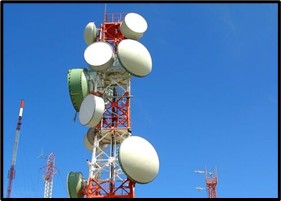
SPECTRUM AS A PUBLIC TRUST RESOURCE
- Public Ownership: The Court reaffirmed that spectrum is a scarce natural resource, legally vested in the Union of India, held in trust for citizens.
- No Proprietary Rights: Telecom licensees acquire only a limited, conditional, and revocable privilege, not proprietary ownership over spectrum.
- Intangible Asset Issue: Recognition of spectrum usage rights as an intangible asset in financial statements does not establish ownership claims.
- Sovereign Character: Spectrum allocation flows from sovereign authority, subject to statutory and regulatory control in public interest.
- Trust Doctrine: The ruling reinforces the Public Trust Doctrine, ensuring natural resources are administered for collective welfare.
INTERFACE BETWEEN IBC AND TELECOM REGIME
- IBC Exclusion: Assets lacking ownership rights cannot enter the corporate insolvency resolution process under the IBC framework.
- Regulatory Supremacy: Telecommunications operate under a specialised statutory regime, primarily governed by the DoT and TRAI.
- Operational Debt Clarification: The Court held that licence fees and spectrum usage charges are not “operational debts” under IBC.
- Sovereign Relationship: The relationship between the Union and licensee is sovereign-regulatory, not commercial creditor-debtor in nature.
- Parliamentary Intent: Applying IBC to spectrum administration would disrupt legislative intent and create statutory disharmony.
PUBLIC TRUST DOCTRINE AND NATURAL RESOURCES● Doctrine Principle: The Public Trust Doctrine mandates that natural resources are held by the State in trust for public benefit. ● Constitutional Basis: It derives legitimacy from Article 39(b) and judicial interpretation under Article 21 jurisprudence. ● Judicial Precedents: Landmark rulings like the 2G Spectrum Case emphasised transparent allocation of scarce public resources. ● Resource Governance: Allocation of spectrum involves balancing economic efficiency, regulatory control, and public interest. ● UPSC Relevance: The issue connects with GS Paper II and III, covering constitutional principles, regulatory governance, and economic policy. |


