 India's No.1 PU & Degree With Integrated IAS & IPS(UPSC/PSC) Training College.


Supreme Court Revisits EC Powers: 1977 Ruling Update
Supreme Court Revisits 1977 Ruling on EC Powers
Why in the News ?
During hearings on the Special Intensive Revision (SIR) of electoral rolls in Bihar, the Supreme Court referred to a 1977 judgment that cautioned against unchecked powers of the Election Commission under Article 324, stressing legal and fair conduct.
Background of the Case and Legal Challenge:
- SIR Exercise in Bihar: The Supreme Court is hearing a legal challenge against the Special Intensive Revision of voter rolls in Bihar.
- Opposition Concerns: Petitioners, including Opposition parties, argue the SIR may disenfranchise marginalised communities in the state.
- Judicial Response: Justice Sudhanshu Dhulia referred to the 1977 M.S. Gill vs CEC judgment while hearing the case.
- Next Hearing Date: The matter is set for further discussion on July 10.
1977 Judgment Highlights on EC’s Powers:
- Article 324’s Scope: Grants EC powers of “superintendence, direction, and control” over elections.
- Judicial Caution: Justice R. Krishna Iyer stressed the EC must adhere to norms of fairness and not act arbitrarily.
- Not a Law Unto Itself: The court ruled that unchecked power is alien to Indian democracy.
- Court’s Authority: Courts can strike down EC decisions if they are misused or unfair.
- Free & Fair Elections: Emphasised that universal adult franchise and electoral fairness are core democratic principles.
Relevance of Past Verdict to Present Context:
- Precedent Background: The 1977 ruling came after EC cancelled the Ferozepur Lok Sabha election due to mob violence.
- Challenge by Gill: Gill argued the violence was staged to defeat him, but the court upheld EC’s cancellation power.
- Power with Limits: Though EC can take strong steps for electoral integrity, the court warned against becoming a “constitutional despot”.
- Ambiguity of Powers: Terms in Article 324 are broad, allowing flexibility, but must not justify arbitrary or excessive decisions.
- Significance for SIR: The judgment will likely shape deliberations on whether the Bihar SIR exercise meets constitutional and legal standards.
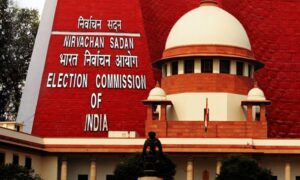
Election Commission of India (ECI) – Key Points● Established on 25th January 1950 under Article 324 of the Constitution. ● Autonomous constitutional body for conducting elections to Lok Sabha, Rajya Sabha, State Assemblies, and offices of President and Vice President. ● Panchayat and municipality elections are overseen by State Election Commissions. ● Comprises Chief Election Commissioner (CEC) and two Election Commissioners. ● Appointed by the President; governed by CEC and Other ECs Act, 2023. ● Tenure: 6 years or until 65 years of age. ● Removal: CEC via Parliament; ECs on CEC’s recommendation. ● No prescribed qualifications, term limits, or post-retirement restrictions. |

