 India's No.1 PU & Degree With Integrated IAS & IPS(UPSC/PSC) Training College.


Shekha Jheel Declared Ramsar Site Boosting Biodiversity Conservation
Shekha Jheel Declared Ramsar Site Boosting Biodiversity Conservation
Why in the News ?
The Shekha Jheel Bird Sanctuary in Uttar Pradesh has been designated as a Ramsar Site, becoming India’s 99th wetland of international importance, highlighting efforts toward wetland conservation, biodiversity protection, and strengthening ecological and livelihood security.
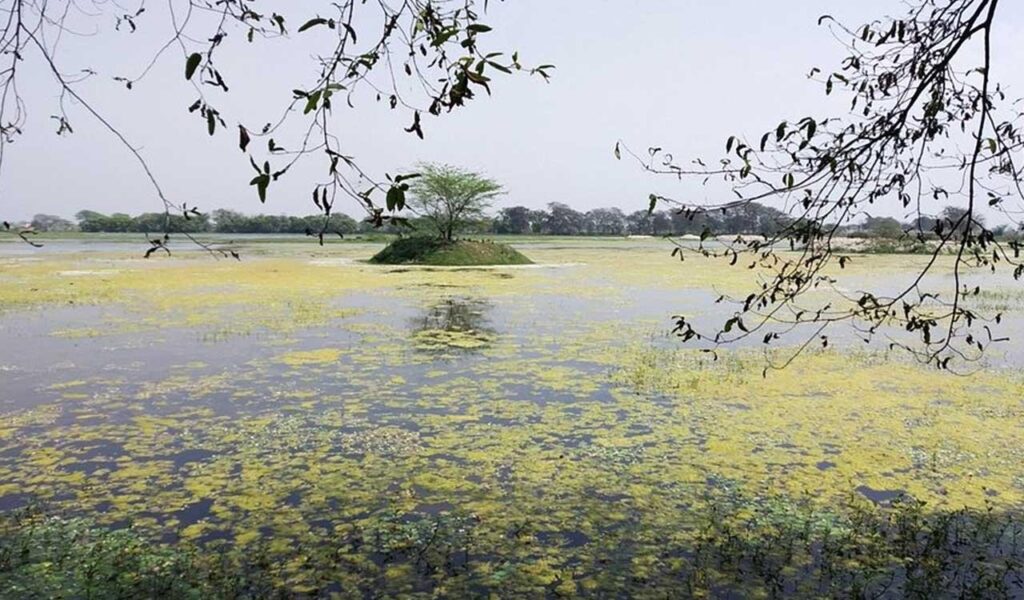
Ramsar Tag and Key Features of Shekha Jheel
- New Ramsar Site: Shekha Jheel Bird Sanctuary becomes India’s 99th Ramsar site and 12th in Uttar Pradesh.
- Ecological Importance: Serves as a critical wetland ecosystem supporting diverse flora and fauna.
- Migratory Hub: Located along the Central Asian Flyway, a key route for migratory birds.
- Key Species: Hosts birds like Bar-headed Goose, Painted Stork, and various duck species.
- Government Initiative: Announced by Union Minister Bhupender Yadav, reflecting commitment to conservation.
Significance for Environment and Livelihoods
- Biodiversity Conservation: Ramsar status enhances protection of wetland ecosystems and species diversity.
- Climate Regulation: Wetlands act as carbon sinks, aiding in climate change mitigation.
- Water Security: Help in groundwater recharge, flood control, and maintaining hydrological balance.
- Livelihood Benefits: Promotes eco-tourism and local employment opportunities.
- Ecosystem Restoration: Aligns with the government’s mission to restore and conserve natural habitats.
About Ramsar Convention & Wetlands :● Ramsar Convention (1971): An international treaty for conservation and sustainable use of wetlands. ● Ramsar Sites: Wetlands designated as “Wetlands of International Importance”. ● India’s Progress: India now has 99 Ramsar sites, nearing the milestone of 100. ● Functions of Wetlands: Support biodiversity, water purification, climate regulation, and disaster mitigation. Wetlands are also protected under regulations like Coastal Regulation Zone norms. ● Flyways: Migratory routes like the Central Asian Flyway are crucial for bird conservation. |

