 India's No.1 PU & Degree With Integrated IAS & IPS(UPSC/PSC) Training College.


National Manufacturing Mission (NMM): Driving India’s Manufacturing Future
National Manufacturing Mission (NMM): Driving India’s Manufacturing Future
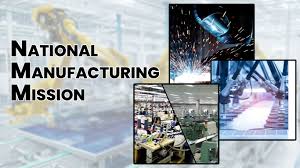
The National Manufacturing Mission (NMM), introduced as part of India’s broader economic strategy, aims to revolutionize the country’s manufacturing sector, positioning India as a global manufacturing hub. This mission is a key component of the Make in India initiative and is designed to enhance India’s industrial base, create jobs, and improve competitiveness on the global stage. The mission, launched in the Union Budget 2025–26, focuses on structural reforms, infrastructural improvements, and policy interventions that align with India’s ambition to become a major player in global manufacturing.
Objectives of the National Manufacturing Mission
The core aim of the National Manufacturing Mission is to boost the contribution of manufacturing to India’s GDP. Currently, manufacturing accounts for about 16–17% of India’s GDP, and the mission seeks to increase this figure to 25% in the coming years. This ambitious goal is backed by multiple objectives:
Enhancing Manufacturing Capacity: The mission focuses on improving India’s manufacturing infrastructure, encouraging both public and private sectors to participate actively in the country’s industrial growth.
Improving the Ease of Doing Business: Simplification of regulatory procedures, faster approvals, and reduction of red tape will be a focal point of this mission to create a conducive environment for business.
Creating a Skilled Workforce: Aligning skills with industry demand, the mission prioritizes skill development and capacity building, ensuring that India’s youth are equipped to take on advanced manufacturing jobs.
Promoting MSMEs (Micro, Small, and Medium Enterprises): The mission offers significant support to MSMEs, providing them with access to better credit, technology, and global markets.
Key Features of NMM
The National Manufacturing Mission is comprehensive and targets multiple sectors and industries. Key features of the NMM include:
Policy Reforms and Governance: Central and state governments will work together to design and execute policies that will foster industrial growth and make India a more attractive destination for global companies.
Sectoral Focus: While the mission covers a broad spectrum of industries, it places particular emphasis on clean technologies, electronics, and high-tech sectors, such as the electric vehicle (EV) industry, semiconductors, and renewable energy technologies.
Support for Innovation and R&D: The NMM will also focus on driving innovation, with incentives for research and development (R&D) activities aimed at improving manufacturing processes and creating new, competitive products.
Strategic Focus Areas
The mission addresses several critical areas that are key to strengthening India’s manufacturing sector:
Infrastructure Development: Building modern manufacturing facilities, industrial parks, and supply chains.
Global Competitiveness: India aims to enhance the quality of manufactured goods, ensuring that the ‘Made in India’ label is associated with excellence and global competitiveness.
Self-Reliance with Zero Defects: The mission aims for zero-defect products, focusing on reducing defects and environmental impact, while increasing India’s capacity to produce high-quality goods domestically.
Integration with Global Supply Chains: A critical component of NMM is to integrate India into global supply chains, reducing dependence on imports and boosting exports of high-value manufactured goods.
Impact on Employment and Skill Development
With India’s workforce primarily comprising young, working-age individuals, the mission will play a pivotal role in employment generation. By investing in skill development aligned with industry needs, the NMM will ensure that youth are adequately trained to meet the demands of the manufacturing sector. Moreover, sectors like tourism and sports infrastructure are also identified as significant employment generators. Creating world-class tourist destinations and preparing for the 2036 Olympics are part of India’s plan to integrate the youth into a diverse range of employment opportunities.
Government’s Role and Collaborative Efforts
The successful implementation of the National Manufacturing Mission requires strong cooperation between the Centre and States. The central government will provide the framework, while state governments will be responsible for creating the necessary infrastructure and facilitating skill development programs.
The Capacity Building Commission (CBC) will be tasked with preparing actionable plans at the state level, with set timelines for implementation. Additionally, the mission encourages digital transformation through the Gyan Bharatam Mission, which aims to digitize ancient manuscripts and integrate AI to preserve and synthesize the wisdom of India’s rich heritage.
Conclusion: A Vision for the Future
The National Manufacturing Mission is not just about improving production capacity—it is about transforming India into a global manufacturing powerhouse. By fostering innovation, ensuring quality, and building robust infrastructure, NMM aims to make ‘Made in India’ a symbol of excellence worldwide. As India strengthens its industrial base, it will pave the way for a future-ready, resilient economy, capable of providing jobs, promoting sustainable growth, and leading the world in high-tech manufacturing.
For Competitive Exams:
Related Topics for UPSC & Other Competitive Exams:
Make in India: A government initiative aimed at promoting domestic manufacturing.
Ease of Doing Business: Reforms and initiatives to make India more attractive for businesses.
Industrial Growth & Economic Reforms: Understanding India’s shift towards a more competitive manufacturing sector.
Skill Development: Aligning education and skill programs with industry needs to boost employment.
Self-Reliance and Export-Import Balance: Key concepts related to economic resilience and reducing dependence on imports.




