 India's No.1 PU & Degree With Integrated IAS & IPS(UPSC/PSC) Training College.


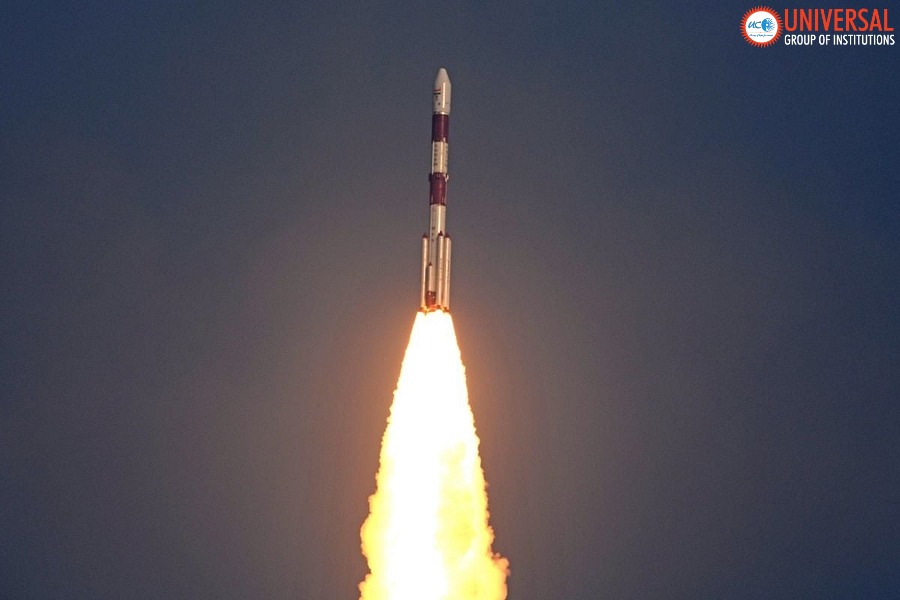
ISRO Rocket Launch: First Payload Launch in Uttar Pradesh
ISRO Rocket Launch: First Payload Launch in Uttar Pradesh
Context
On June 14, 2025, the Indian Space Research Organisation (ISRO), in collaboration with Thrust Tech India Pvt. Ltd., successfully conducted the first-ever rocket-based payload launch in Uttar Pradesh. For those wondering “what is ISRO in India,” it is the country’s national space agency responsible for the space program, established in 1969 (ISRO established year). This test, part of the emerging Uttar Pradesh space program, took place in Kushinagar district, marking a significant milestone in decentralizing space research and outreach beyond traditional rocket launching stations in India. The event showcased ISRO’s innovative rocket launcher technology, further cementing India’s position in space exploration since the launch of the first Indian rocket in 1963 at Thumba, Kerala, which became the first rocket launching place in India. ISRO images from the launch captured the historic moment, inspiring a new generation of space enthusiasts.
Key Highlights
- A 15 kg model rocket was launched, reaching an altitude of 1.1 kilometers (1100 meters), demonstrating the precision of ISRO’s rocket technology.
- The payload, a miniature satellite, was safely recovered via parachute deployment, landing within 400 meters of the launch site, demonstrating effective area recovery conditions. For those wondering “what is payload in rocket,” it refers to the cargo or equipment carried by the rocket, in this case, the miniature satellite.
- The test was supported by the Astronautical Society of India and the Indian National Space Promotion and Authorization Center (IN-SPACe).
Significance
- Regional Milestone: This marks Uttar Pradesh’s first successful model rocket launch with a deployable payload. Previously, similar efforts using drones were conducted in cities like Ahmedabad, expanding the network of rocket launching places in India.
- Educational Outreach: The launch is part of a broader initiative to promote STEM education and space awareness among undergraduate students across India, showcasing Indian space technology advancements. This new satellite launch by ISRO serves as an inspiration for aspiring space scientists. Local District Science Clubs have been instrumental in generating interest among students and organizing educational activities related to space science.
- Preparatory Mission: The success of this test sets the stage for the IN-SPACe CANSAT & Model Rocketry India Student Competition (2024–25), a student rocketry contest scheduled for October-November 2025. This CANSAT competition will see around 900 student-built miniature satellites launched, providing hands-on experience in space technology.
Technical & Scientific Relevance
The project featured a CANSAT (can-sized satellite), widely used for training and student competitions in aerospace engineering. This ISRO rocket launch offered hands-on learning experiences in:
- Satellite systems integration
- Telemetry and communication range optimization
- Parachute deployment and rocket body recovery mechanisms
- Rocket propulsion and safety margins
The success of these trial launches contributes to launch site validation, ensuring the reliability and effectiveness of new India rocket launch places. It’s important to note that while rocket crashes are a concern in any space program, this launch was executed flawlessly, showcasing ISRO’s expertise in rocket technology and safety protocols to prevent any rocket crash scenarios.
Future Prospects
The success of this launch paves the way for more space projects involving undergraduate students. ISRO’s next rocket launch is expected to build on this achievement, further advancing India’s space technology capabilities. The organization is continuously working on new satellite launches, pushing the boundaries of what’s possible in space exploration. ISRO launch registration for future missions and competitions is expected to open soon, providing more opportunities for aspiring space scientists.
Conclusion
This successful ISRO rocket launch not only showcases the organization’s commitment to democratizing space science but also reinforces India’s focus on capacity-building and grassroots innovation in space technology. It symbolizes a step forward in integrating youth participation in space missions, fostering the next generation of Indian space scientists and engineers through hands-on learning experiences.
The Uttar Pradesh space program, as demonstrated by this launch, is set to play a crucial role in expanding India’s space research capabilities beyond traditional launch sites. As ISRO continues to push boundaries, we can expect more innovative space projects and advancements in Indian space technology in the near future, including exciting developments in the upcoming October-November competition and further refinements in rocket launcher technology.
It’s worth remembering that India’s journey in space exploration began with the vision of Dr. Vikram Sarabhai, often referred to as the “father of rocket science” in India. His legacy continues to inspire ISRO scientists, whose results and achievements have put India on the global map of space exploration. From the first Indian rocket launch to today’s advanced missions, ISRO has come a long way, and this latest launch in Uttar Pradesh is another testament to its growing capabilities and reach across the country. The ISRO scientist results from this launch will undoubtedly contribute to future advancements in India’s space program, solidifying the nation’s position as a key player in the global space industry.




