UGI USER, Author at Universal Group Of Institutions - Page 552 of 955
India's No.1 PU & Degree With Integrated IAS & IPS(UPSC/PSC) Training College.

*** Admissions are open for 2027-28. Courses offered - PUC (Science, Commerce & Arts), BSc (Environmental Science), BA, B.Com, BBA ***

By UGI USER

img
04Jun 2024

THE DELICATE BALANCING OF HEALTH-CARE COSTS

Syllabus: GS 2: Issues Relating to Development and Management of Social Sector/Services relating to Health, Functions and Responsibilities of the Union and the States. Why in the News? The Supreme Court of India is currently deliberating on standardizing medical procedure rates across government and private sectors. This decision is pivotal, as it aims to balance …

Read More

04Jun 2024

PROPERTY IS REAL, AND SO SHOULD THE ‘COMPENSATION’

SYLLABUS: GS 2: Indian Constitution—historical underpinnings, evolution, features, amendments, significant provisions and basic structure. Focus: In a landmark verdict to protect the interests of landowners against acquisition of their property by the government, the Supreme Court of India ruled that all acquisitions would have to pass the test of Article 300A. Source: Legal service India …

Read More
04Jun 2024

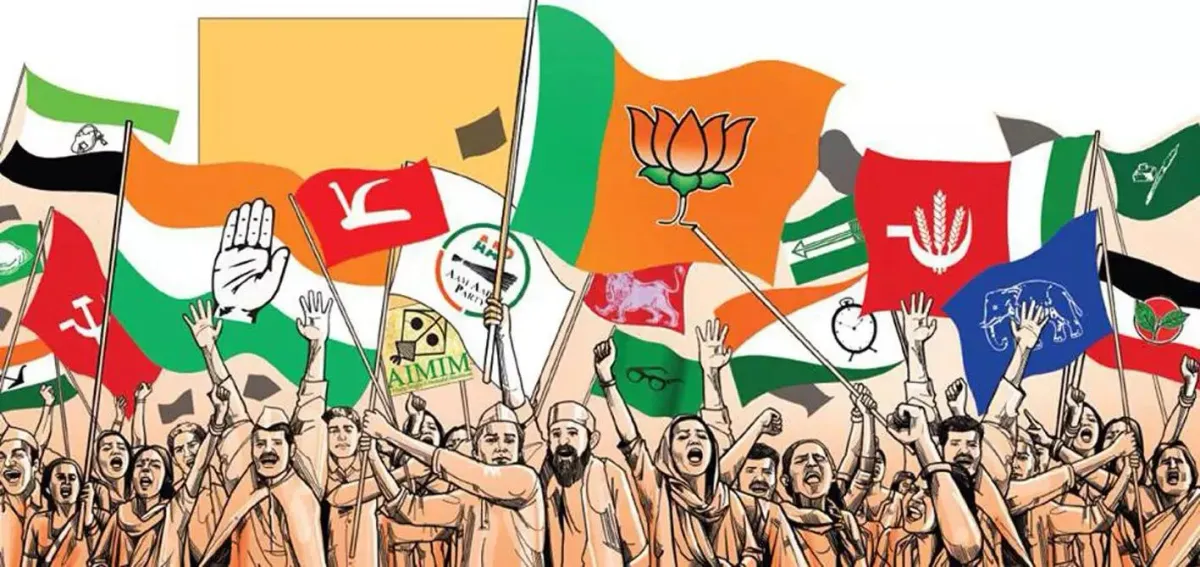
POLITICAL PARTIES

Introduction Political parties are organized groups of people who share similar political views and work to achieve those goals through elections. They play a vital role in democracies by providing voters with choices, mobilizing support for candidates and policies, and holding governments accountable. Political parties typically have a set of core principles or beliefs that …

Read More
04Jun 2024

REPRESENTATION OF THE PEOPLE ACT, 1951

Introduction The Representation of the People Act, 1951 is a seminal piece of legislation in India that serves as the cornerstone of the country’s electoral system. This act was enacted to regulate and govern various aspects of the electoral process in India, including the conduct of elections, the qualifications and disqualifications of candidates, the delimitation …

Read More
04Jun 2024

ANTI-DEFECTION LAW

Introduction Elections are fundamental to democracy, and political parties with diverse ideologies are essential to its vitality. However, party defections remain a concern, leading to the introduction of the anti-defection law (Tenth Schedule) to protect democratic principles. While it has reduced individual defections, mass defections persist, raising concerns about its impact on legislators’ independence and …

Read More
04Jun 2024

COOPERATIVE SOCIETIES

Introduction A cooperative is a self-reliant, democratically governed business or organization where people voluntarily come together to meet common economic, social, and cultural needs. It’s based on principles like equality, equity, and solidarity. Gandhi saw cooperation as a way to empower people and decentralize power. Cooperative members value honesty, openness, social responsibility, and care for …

Read More
04Jun 2024

LOKPAL AND LOKAYUKTAS

Background The history of Lokpal and Lokayukta in India is rooted in the global concept of ombudsman institutions. The idea of an ombudsman can be traced back to Sweden in 1809, and it gained prominence after World War II. In India, the concept of a constitutional Ombudsman was first proposed by Ashok Kumar Sen, the …

Read More
04Jun 2024

CENTRAL BUREAU OF INVESTIGATION

Introduction The Central Bureau of Investigation (CBI) is the premier investigating police agency in India. It is a multi-faceted and multi-disciplinary agency with a mandate to investigate cases of corruption, economic offenses, and other serious crimes. The CBI also provides leadership and direction in fighting corruption to the police force across the country. The Santhanam …

Read More
04Jun 2024

CENTRAL VIGILANCE COMMISSION

Introduction The Central Vigilance Commission (CVC) is India’s top independent vigilance body, overseeing all government anti-corruption efforts and providing guidance to agencies on how to improve their vigilance work. The Government founded the CVC in February 1964, following the recommendations of the Committee on Prevention of Corruption, led by Shri K. Santhanam. In 2003, Parliament …

Read More
04Jun 2024

STATE INFORMATION COMMISSION (SIC)

State Information Commission (SIC): Members and Appointment The Right to Information Act of 2005 (RTI Act) mandates the establishment of a State Information Commission (SIC) in each state. All states have constituted SICs through official notifications in their gazettes. The SIC is a high-powered independent body that adjudicate on complaints and appeals related to information …

Read More