India's No.1 PU & Degree With Integrated IAS & IPS(UPSC/PSC) Training College.


ABHAYA MUDRA: A SYMBOL OF FEARLESSNESS ACROSS CULTURES
Why in the news?
- Rahul Gandhi, in his first speech as Leader of Opposition in Lok Sabha, invoked the abhaya mudra to highlight the concept of freedom from fear.
- Gandhi criticized the current government for fostering a culture of fear, contrasting it with the fearlessness inherent in Hindu religion and Indian civilization.
 Source: WordPress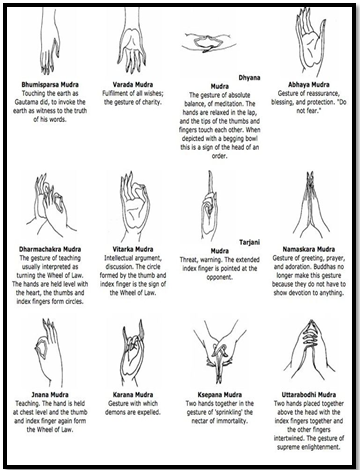
Mudras in Buddhism
- In Buddhism, mudras are hand gestures used in rituals and depicted in images of Buddhas and bodhisattvas, conveying various meanings and states of realization.
- The abhaya mudra (gesture of fearlessness) is one of the earliest and most significant mudras, along with the bhumisparsha (Earth-touching), dharmachakra (wheel of dharma), and dhyana (meditation) mudras.
Abhaya Mudra in Hinduism
- Over time, the abhaya mudra appeared in depictions of Hindu deities such as Lord Shiva, Vishnu, and Ganesha, symbolizing protection and refuge.
- The Buddha, considered an avatar of Vishnu, is also depicted with the abhaya mudra, merging Buddhist and Hindu iconography.
| Understanding Abhay Mudra
The Abhaya Mudra is performed by raising the right hand to shoulder height, palm facing outward. It symbolizes courage, safeguarding, and the removal of negativity. |