 India's No.1 PU & Degree With Integrated IAS & IPS(UPSC/PSC) Training College.


Aadhaar Approved in SIR, Citizenship Proof Out
Aadhaar Accepted in SIR, Citizenship Proof Excluded
Why in the News ?
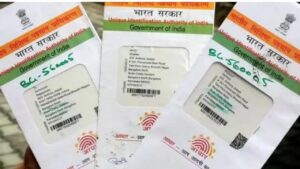
The Election Commission of India (ECI) has directed states that Aadhaar will be accepted as an identity document in the Special Intensive Revision (SIR) of electoral rolls, following the Supreme Court’s order. However, Aadhaar will not serve as proof of citizenship, highlighting the need for bail provisions and constitutional safeguards in identity verification processes, similar to those seen in the Delhi riots case and UAPA bail provisions.
ECI’s Clarification on Aadhaar Usage:
- Supreme Court Order: On September 8, the Court allowed Aadhaar as the 12th valid identity document for voter verification but clarified it is not proof of citizenship, emphasizing the presumption of innocence in legal matters.
- ECI’s Directive: Chief Election Commissioner Gyanesh Kumar reiterated that the directive will be followed in letter and spirit across all states, emphasizing the constitutional mandate of the ECI and the importance of judicial discretion in such matters.
- Conditional Acceptance: Officials may demand additional documents if doubts arise regarding an applicant’s citizenship status, subjecting the process to judicial discretion and potentially leading to a prima facie case for further investigation.
- State Concerns: Assam and Sikkim sought alternative options since tea-tribe communities often lack standard documents like birth certificates or passports, raising concerns about potential prolonged incarceration in cases of identity disputes.
- Bihar Example: Bihar became the first state to implement this order in its ongoing SIR before assembly elections, setting a precedent for handling bail jurisprudence in identity-related cases.
Challenges in Electoral Roll Verification:
- Duplication Issue: Bihar flagged challenges in identifying voters registered in multiple constituencies, a concern that echoes the complexities seen in cases involving statutory bail restrictions.
- Data Integration: ECI instructed states to upload previous electoral rolls online for systematic cross-verification, a process that mirrors the careful examination of admissible evidence in constitutional courts.
- SIR Objective: Ensure that only eligible Indian citizens above 18 are included while preventing fraudulent registrations, a goal that aligns with the principles of speedy trial and prevention of witness tampering in legal proceedings.
- Regional Difficulties: Verification is tougher in states where communities lack standard records, creating risk of exclusion and potentially leading to situations similar to pre-trial detention in complex cases.
- Field Inquiries: Officials are empowered to conduct citizenship verification in suspicious cases, balancing the right to liberty with electoral integrity, much like how constitutional courts handle bail rejection orders in sensitive cases.
Key facts : Aadhaar and Electoral Rolls |
| ● Aadhaar Act, 2016 governs Aadhaar’s usage. |
| ● Representation of the People Act, 1950 provides the legal framework for electoral rolls. |
| ● Electoral Roll (Voter List): Official register of eligible voters maintained by ECI. |
| ● Supreme Court View: Aadhaar can be used for identity verification, not as citizenship proof, similar to how evidence is treated in UAPA cases. |
| ● SIR (Special Intensive Revision): A process of updating, correcting, and verifying voter rolls before elections, akin to the careful scrutiny in bail jurisprudence. |

